
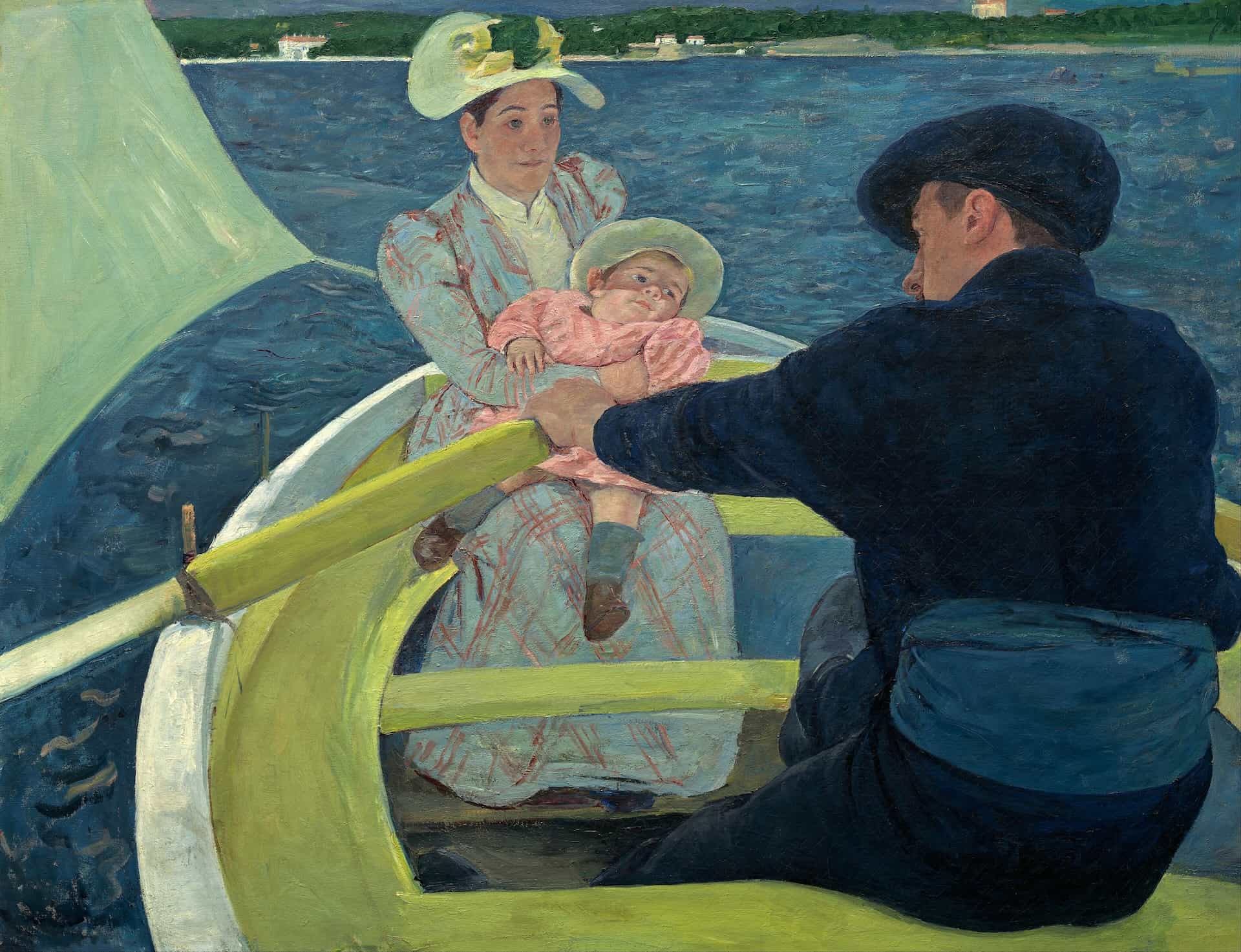
A painting does not have to tell us everything.
A face can disappear into shadow. A figure can continue beyond the edge of the canvas. A room may contain an empty chair but no person. An area of paper might remain untouched while the rest of the drawing is heavily worked.
What is missing can become as important as what is there.
Omission in art is the deliberate decision to leave out, simplify, obscure or withhold part of an image. Sometimes this is a practical choice about composition. At other times it creates uncertainty, directs attention or gives the viewer space to complete part of the image for themselves.
Artists are constantly deciding what not to show.
The world contains far more visual information than any painting or drawing could reasonably hold. Even the most detailed artwork is a selection. An artist chooses where to look, where to crop, what to sharpen, what to soften and what can disappear altogether.
Understanding those decisions can change the way we look at art.
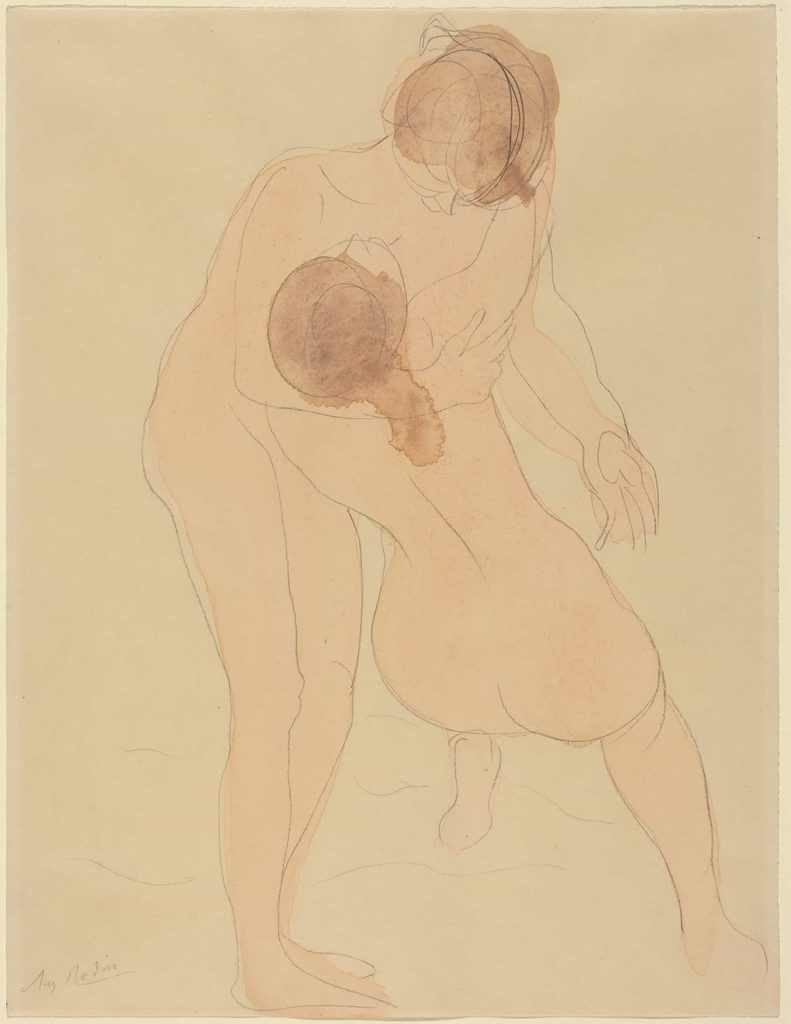
What Does Omission Mean in Art?
Omission in art simply means leaving something out.
That might involve removing an object from a composition, reducing unnecessary detail or allowing part of a figure to remain unresolved. It can also mean placing something outside the frame entirely.
The result does not necessarily look empty.
In fact, removing information can make an image feel more concentrated. Instead of trying to describe everything equally, the artist decides what deserves our attention.
Imagine a portrait in which the face is carefully observed but the clothing gradually dissolves into the background. The missing detail around the body may make us look more closely at the expression.
Or imagine a painting of a room where most of the furniture has been removed. The remaining objects suddenly carry more weight.
Leaving something out changes the relationship between everything that remains.
Why Do Artists Leave Things Out?
One reason is simply clarity.
A scene may contain hundreds of objects, colours, textures and small details. Reproducing every piece of information can make a painting difficult to read.
Simplification allows an artist to establish a hierarchy.
Some things become important. Others fall away.
But omission can do more than tidy a composition. It can also create feeling.
A missing figure can suggest absence. An obscured face can create distance. An unfinished edge can make something seem temporary. An empty area can give a painting stillness.
This is where omission moves beyond technique.
It becomes part of the meaning of the work.
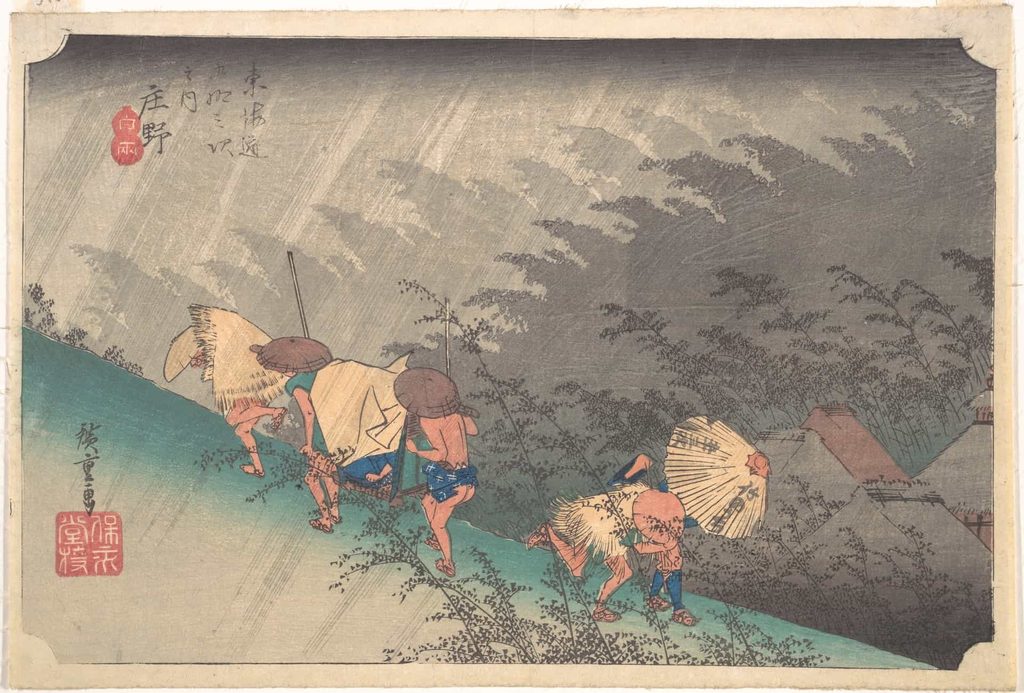
The Difference Between Simplifying and Leaving Something Out
Simplification and omission are closely related, but they are not quite the same.
An artist might simplify a tree by reducing hundreds of individual leaves to a handful of shapes and tones. The tree is still present, but much of its visual information has been compressed.
Omission goes further.
The artist might decide the tree is unnecessary and remove it completely.
Both decisions involve editing.
The important question is not whether every detail is accurate. It is whether each element contributes something to the image.
A painting can contain fewer details than the scene it came from and still feel more convincing.
Sometimes removing information allows us to notice what the painting is really about.
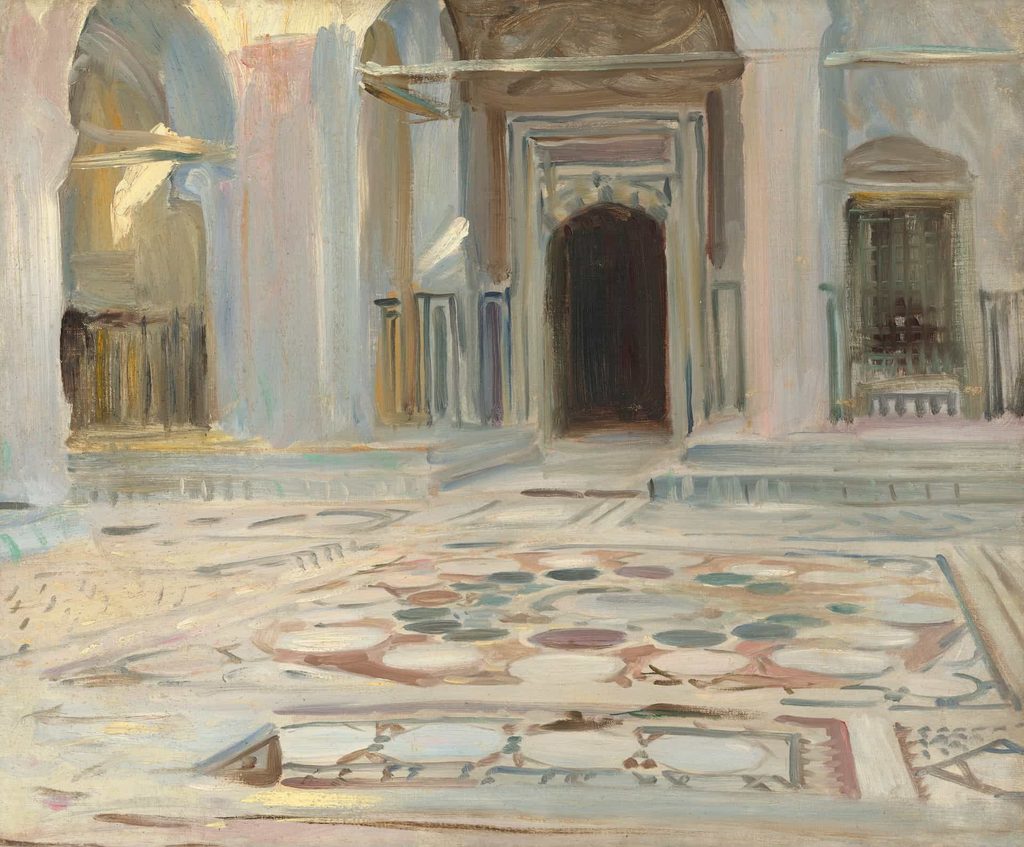
Negative Space: When Nothing Becomes Something
Negative space is the area around and between the main subjects of an artwork.
It is often described as empty space, although it is rarely truly empty.
A large wall behind a figure, an expanse of sky above a landscape or the space between two people can all become active parts of a composition.
When artists leave an area relatively untouched, our attention to the remaining forms often increases.
A small figure surrounded by empty space may feel isolated.
Two figures separated by a large gap may appear emotionally distant.
A face positioned close to the edge of a painting may create tension because there is so little space around it.
The apparent emptiness is doing something.
This is why negative space should not be thought of simply as background. It can establish balance, distance, atmosphere and even narrative.
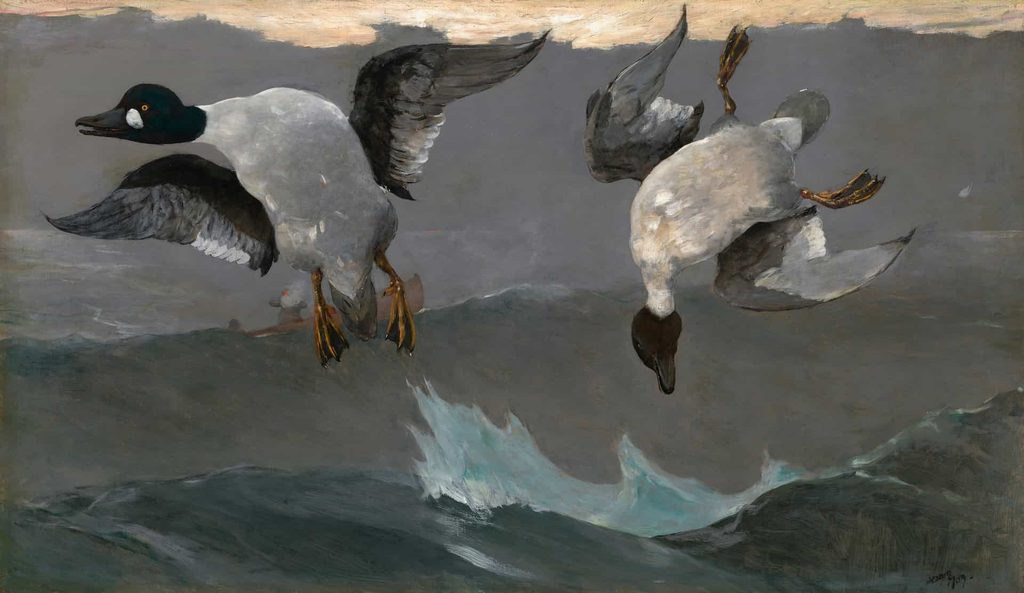
Cropping: What Happens Beyond the Edge?
Every painting has a boundary.
As soon as an artist chooses where an image begins and ends, things are excluded.
Cropping in art can be particularly powerful because it suggests that the world continues beyond the canvas.
A figure might be cut off at the shoulder. Part of a table might disappear beyond the bottom of the picture. Someone may enter the scene from an edge without ever appearing in full.
These choices can make an image feel less staged.
Instead of presenting a complete scene for inspection, the painting begins to resemble a fragment of a larger moment.
Photography has made this way of seeing familiar. We are accustomed to photographs that capture only part of an event or cut unexpectedly through a body or object.
In painting, the same device can create immediacy.
The viewer is no longer standing outside a neatly organised scene. We feel closer to it.
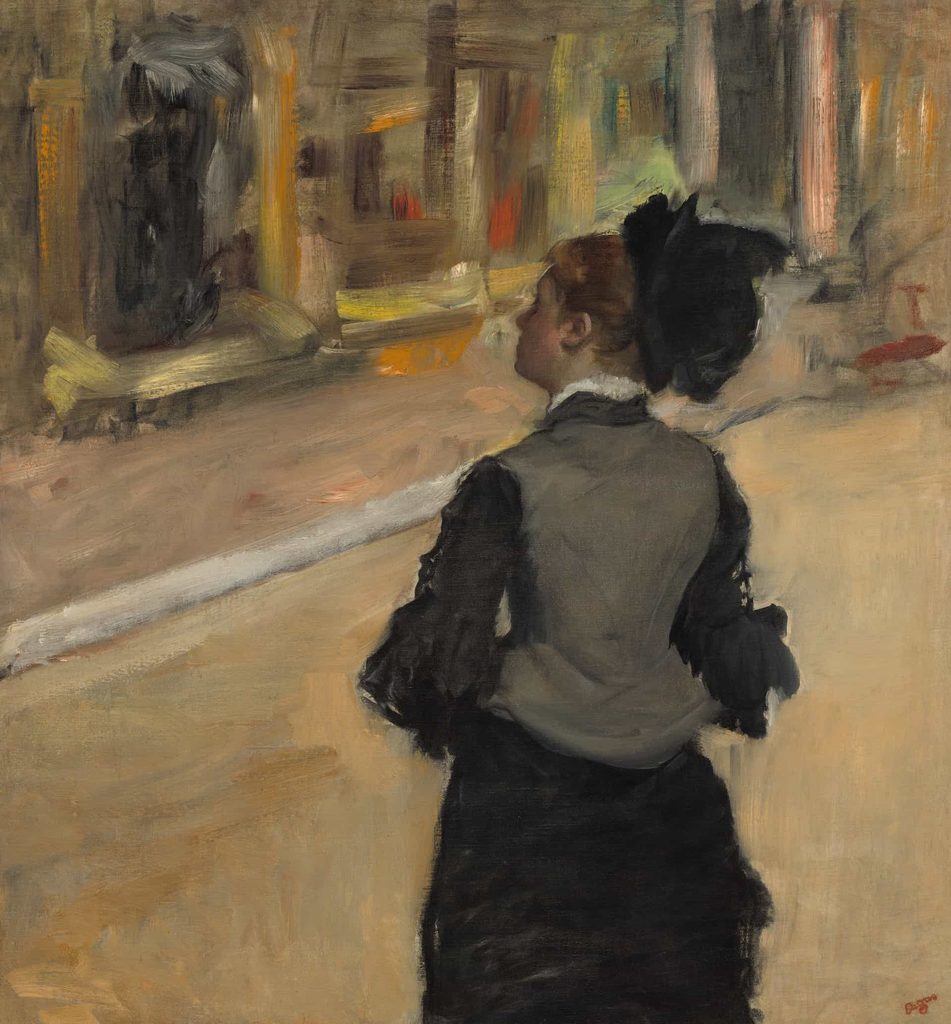
Why an Obscured Face Can Be More Interesting Than a Clear One
Faces attract attention very quickly.
When a face is visible in a painting, we often search it for information. We try to identify an expression, mood or relationship.
What happens when the artist refuses to provide all of that information?
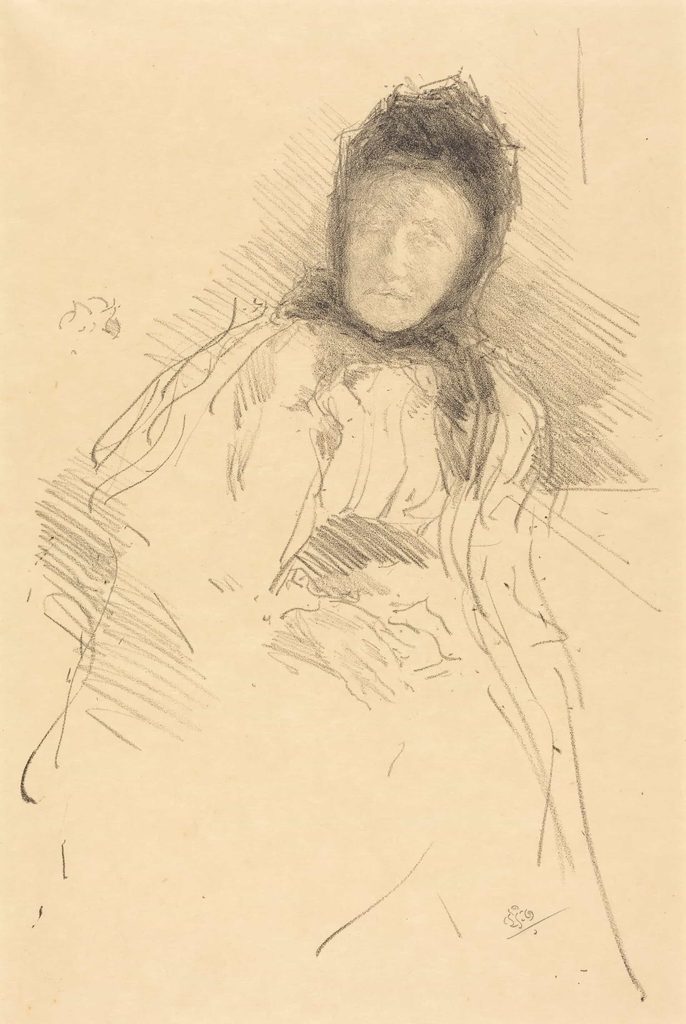
A face turned away, partly hidden, blurred or lost in shadow creates a very different experience.
Instead of reading an expression immediately, we begin looking elsewhere.
Posture becomes important.
So does gesture.
The position of the head, the angle of the shoulders or the distance between figures may tell us more than facial detail would have done.
Withholding information can make us look for meaning rather than simply receive it.
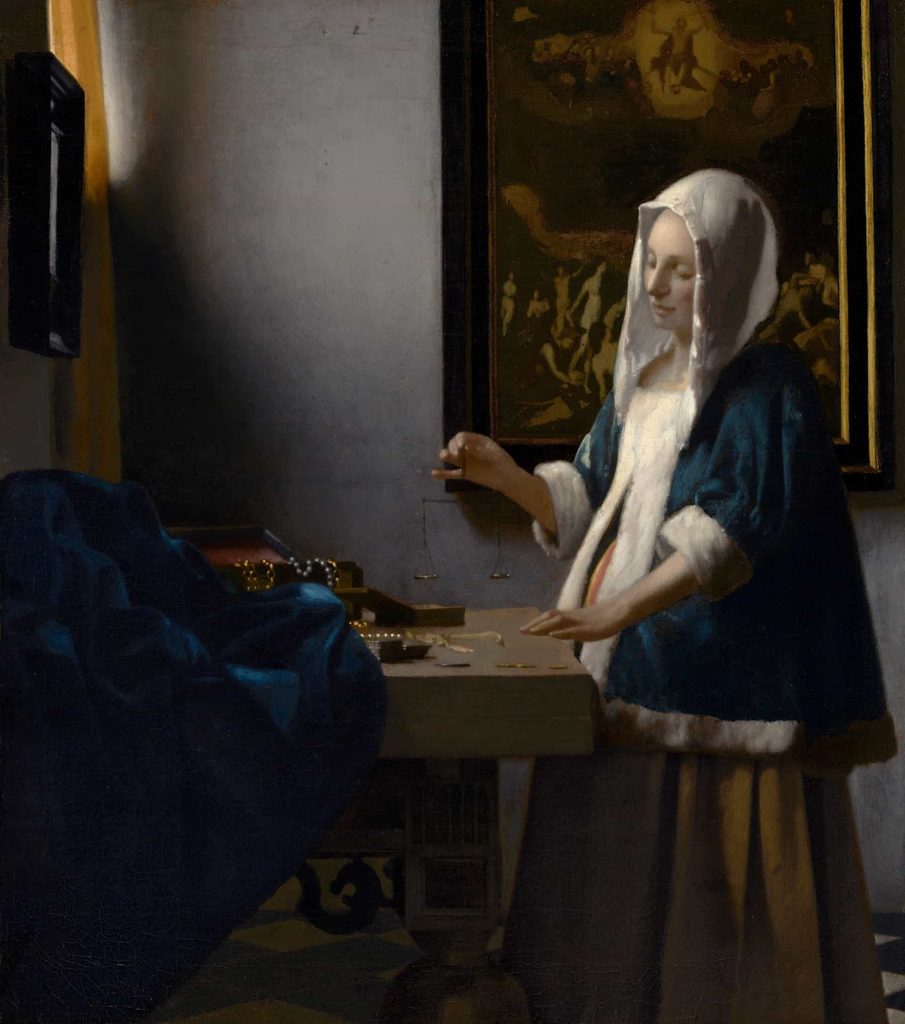
Ambiguity Gives the Viewer Something to Do
Not every artwork needs to have a single clear explanation.
Sometimes uncertainty is precisely what keeps us looking.
If everything in an image is completely resolved, our understanding can arrive very quickly. We recognise the subject, understand the scene and move on.
An ambiguous image behaves differently.
Perhaps we cannot quite tell where a figure ends and the background begins. Maybe we are unsure whether two people are together or simply happen to occupy the same space. A face might suggest an emotion without clearly naming it.
The viewer begins filling in the gaps.
This does not mean inventing a hidden story that the artist secretly intended. It means recognising that looking is an active process.
We bring our own memories, associations and expectations to an image.
When something is left unresolved, there is room for those responses.
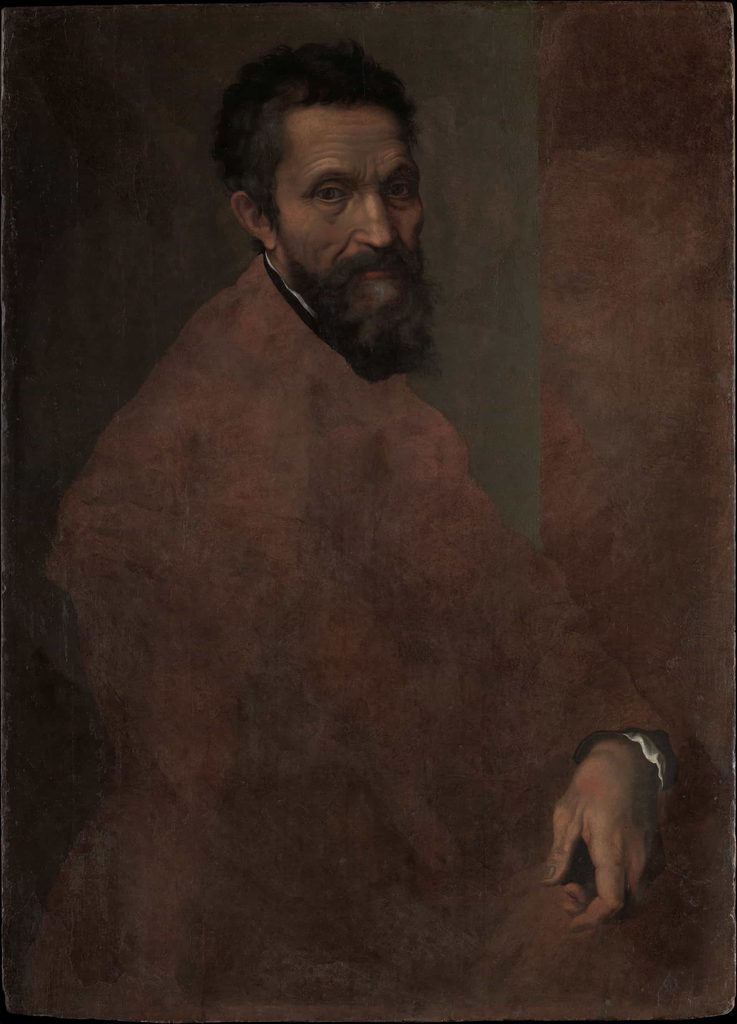
When Does Unfinished Become Finished?
There is also a difference between an artwork being incomplete and an artist choosing not to resolve every part of it.
A drawing may contain highly worked passages next to faint construction lines.
A painting may leave sections of canvas exposed.
A figure might be carefully described in one area while appearing to dissolve in another.
Does that mean the work is unfinished?
Not necessarily.
Finish is not simply a question of how much detail has been added.
An artwork can feel complete because the relationships within it are resolved, even when individual areas remain open.
In fact, a highly polished surface can sometimes remove the evidence of how the artwork was made. Leaving parts visible, tentative or incomplete can retain a sense of process.
We can see where something was changed.
We notice the drawing beneath the painting.
We encounter marks that still feel like marks rather than disguised descriptions of objects.
The image remains connected to the act of making it.
Omission Can Change How Time Feels in a Painting
Leaving things out can also affect our sense of time.
A highly detailed image can encourage slow inspection because there is a great deal to examine.
But an image with missing information can slow us down for another reason.
We wait for it to explain itself.
An empty doorway makes us wonder whether someone has left or is about to arrive.
A figure looking beyond the edge of the canvas makes us imagine something we cannot see.
An abandoned object can suggest something that happened before the moment shown.
Nothing is moving, yet the image can contain a before and an after.
The missing information creates that space.
The Viewer Completes More Than They Realise
Our eyes are constantly making sense of incomplete information.
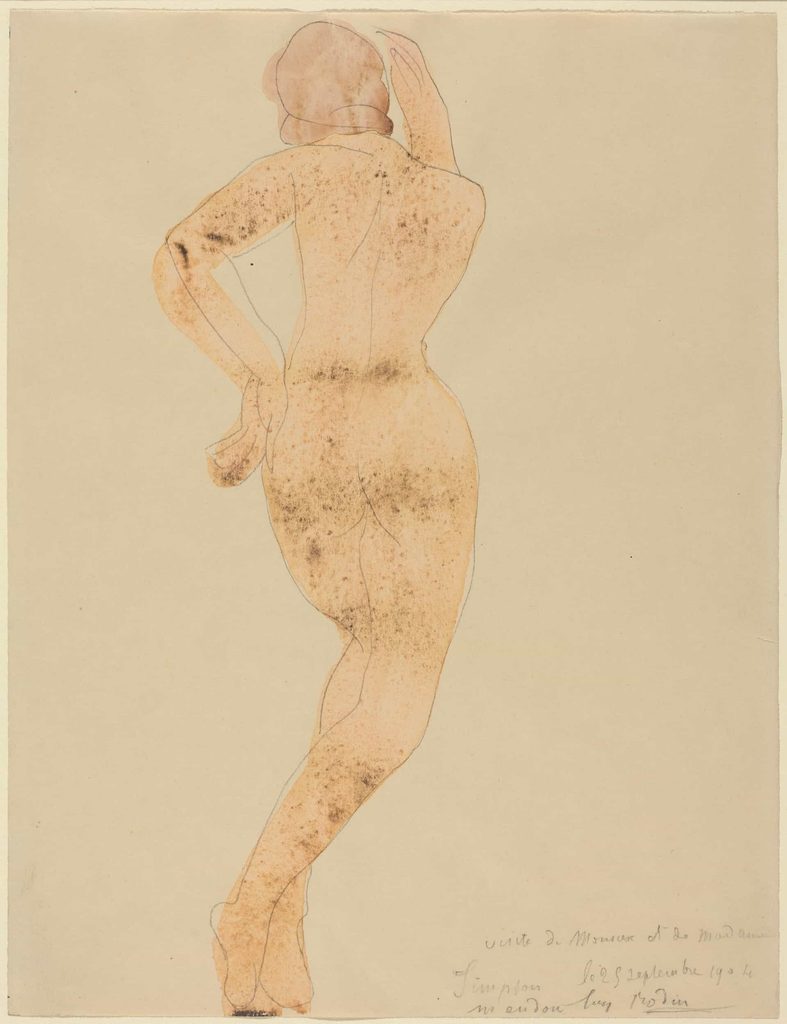
We do not need every edge of an object to understand that it is there. We can recognise a figure from a fragment. We can mentally continue a line after it disappears.
Artists can use this instinct.
A few marks may be enough to suggest hair.
A patch of darkness can stand for clothing.
One carefully observed hand can imply the position of an arm that is barely described.
The artist does not always need to complete the visual sentence.
Sometimes the viewer will finish it.
That relationship between what is supplied and what is imagined is one of the pleasures of looking at paintings and drawings.
What Should You Look for in an Artwork?
The next time you spend time with a painting or drawing, look for the places where information disappears.
Ask yourself:
What has been carefully described?
What has barely been stated?
Where do edges disappear?
What sits outside the frame?
Is any part of the surface left untouched?
Are there details that you expected to see but cannot?
Does your eye fill anything in automatically?
Then consider what would happen if those missing elements were added.
Would the image become clearer?
Would it also become less interesting?
The answer can tell you a great deal about the decisions behind the artwork.
Less Information Does Not Mean Less Meaning
One of the strange things about painting is that adding more information does not always make an image communicate more.
Sometimes the opposite happens.
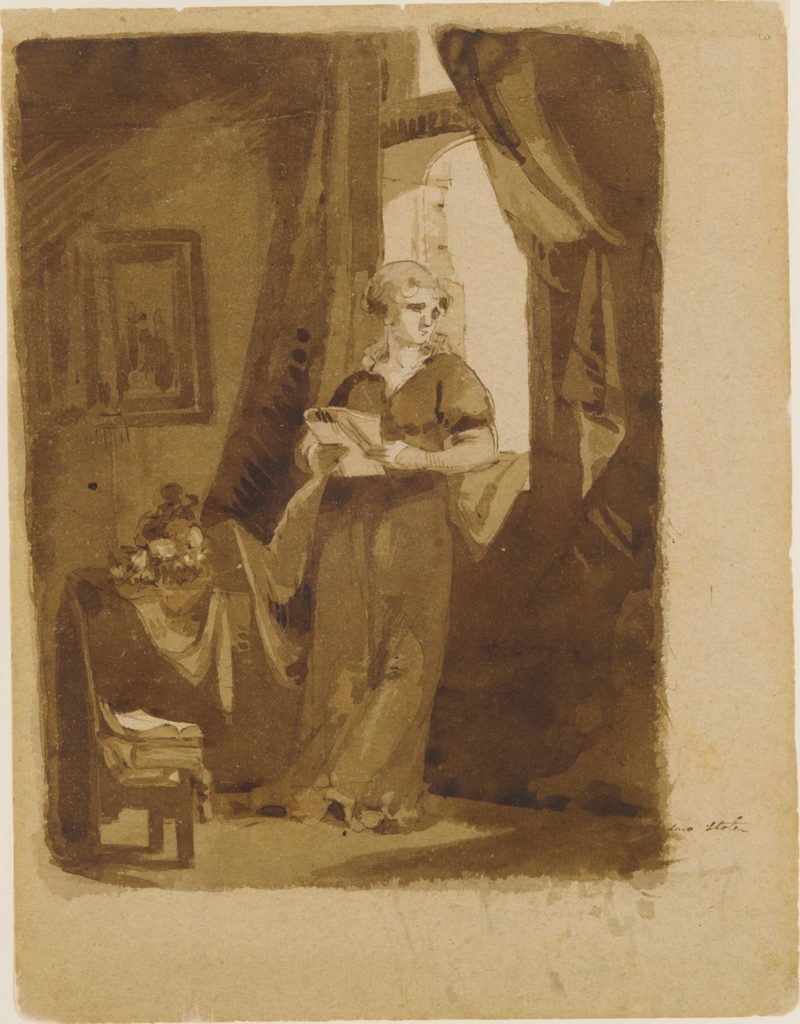
A background filled with detail can compete with a figure.
A perfectly described face can remove ambiguity.
A complete scene can close down the possibility of imagining what lies outside it.
Knowing what to leave out requires judgement.
The artist has to decide what the image needs, rather than simply recording everything available to see.
That is why omission in art is not an absence of work.
It is a choice.
Frequently Asked Questions
What is omission in art?
Omission in art is the deliberate decision to leave out, reduce, obscure or simplify visual information. Artists may use omission to strengthen a composition, direct attention, create ambiguity or encourage the viewer to imagine what is missing.
Why do artists leave parts of paintings unfinished?
Sometimes an artwork genuinely is unfinished, but artists can also deliberately leave areas unresolved. Exposed canvas, loose marks or incomplete forms can create contrast, reveal the making process or allow one part of the image to receive greater attention.
What is negative space in art?
Negative space is the area around and between the main subjects of an artwork. Artists can use it to create balance, distance, focus and atmosphere.
Why do artists crop figures?
Cropping can make an image feel immediate and suggest that the scene continues beyond the frame. Showing only part of a person or object can also direct attention towards a particular gesture, shape or relationship.
Why is ambiguity important in art?
Ambiguity prevents an image from giving away all of its meaning at once. When something remains uncertain, the viewer has to spend longer looking, interpreting and making connections.
What We Notice When Something Is Missing
It is easy to think of art as a process of adding.
A line is added to paper. Paint is added to canvas. Detail is added until the image feels complete.
But making an artwork also involves removal, restraint and refusal.
What does not need to be there?
What can remain uncertain?
What happens if the edge disappears?
What happens if the face is turned away?
What happens if the viewer is allowed to finish part of the image?
An artist does not have to show everything to make us see more.
Sometimes it is the missing part that makes us look again.
