
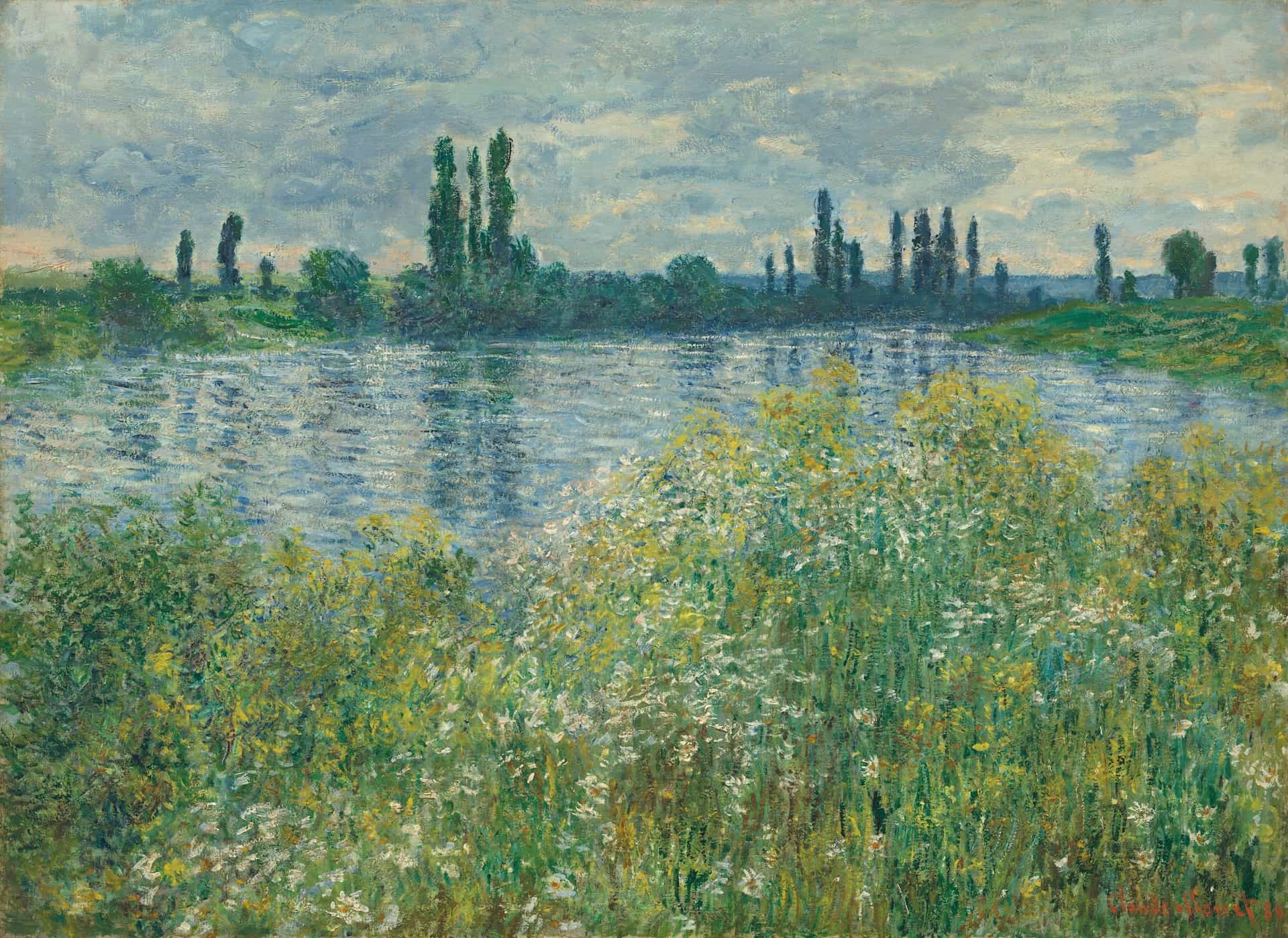
Some places stay with us long after we have left them.
It might be a stretch of coast visited throughout childhood, a city street walked every morning, the view from a bedroom window, a river at low tide, a railway platform, a kitchen, or a landscape passed through only once.
For a painter, these places can become more than subjects. They begin to affect what is noticed, remembered and eventually painted.
A sense of place in art is not simply the accurate depiction of a location. It is the feeling that somewhere has been experienced rather than merely observed. Memory, weather, light, habit, history and personal association can all become part of the image.
This is why two artists can stand in exactly the same place and make completely different paintings.
They may be looking at the same landscape, but they are not experiencing the same place.
What Does a Sense of Place Mean in Art?
A sense of place in art describes the relationship between an artwork and a particular location or environment.
Sometimes that relationship is immediately recognisable. A painting may show a particular coastline, street, mountain, building or room.
At other times, the connection is less literal.
An artist might remember the colour of the light rather than the shape of the buildings. Another might focus on the feeling of exposure on an open landscape, the density of a city, the silence of an empty room, or the movement of people travelling through a familiar space.
The resulting artwork does not necessarily tell us exactly where we are.
Instead, it tells us something about what being there feels like.
This distinction matters. A landscape painting can describe scenery without creating much sense of place. Equally, a painting containing only a wall, doorway or figure can carry a powerful feeling of somewhere particular.
Place begins when location acquires meaning.
A Place Is More Than Its Appearance
When we think of painting and place, landscape often comes first.
But a sense of place can exist almost anywhere.
It can be found in an interior, a suburban street, a railway carriage, a café, an industrial site, a garden or the corner of a room.
What makes these spaces significant is not necessarily beauty.
Artists are often drawn repeatedly to places that other people might pass without noticing.
A cracked pavement, familiar row of houses or ordinary path can hold far more meaning for someone who has known it for twenty years than a spectacular landscape encountered for five minutes.
This is one reason painting can differ so much from photography used simply as a record.
The painter can alter what is seen.
Objects can disappear. Colours can change. Distance can be compressed. One insignificant detail can become central. Something visually dominant can be reduced almost to nothing.
The painting gradually becomes less about recording a location and more about interpreting it.
Memory Changes a Place
Memory is one of the strongest forces shaping a sense of place in art.
We do not remember locations evenly.
Certain details remain extremely clear while others disappear. We might remember how afternoon light reached one wall but forget the furniture underneath it. We may remember a path, doorway or window more clearly than the building around it.
Time changes these memories further.
Details merge. Colours shift. Different visits become difficult to separate.
For an artist, that instability can be useful.
Painting from memory is not necessarily an attempt to reconstruct somewhere perfectly. It can reveal which parts of the place mattered enough to remain.
This can produce an image that is less geographically accurate but more emotionally precise.
The question changes from “What did this place look like?” to “What remains of this place when I think about it now?”
That is a much more interesting question for painting.
Familiarity Changes How an Artist Sees
Visiting somewhere once and living somewhere for years produce different kinds of attention.
The visitor often notices landmarks.
Someone who knows a place well begins to notice changes.
They know where the shadows fall in winter. They recognise the river at different stages of the tide. They notice when a building disappears, when a tree is cut down, when a shop changes hands or when a familiar route suddenly feels different.
Repetition can make observation more specific rather than less.
The same place can also generate very different work over time because neither the place nor the person looking at it remains unchanged.
This helps explain why artists often return to the same subject.
Repetition is not necessarily a failure to find something new.
It can be a way of measuring change.
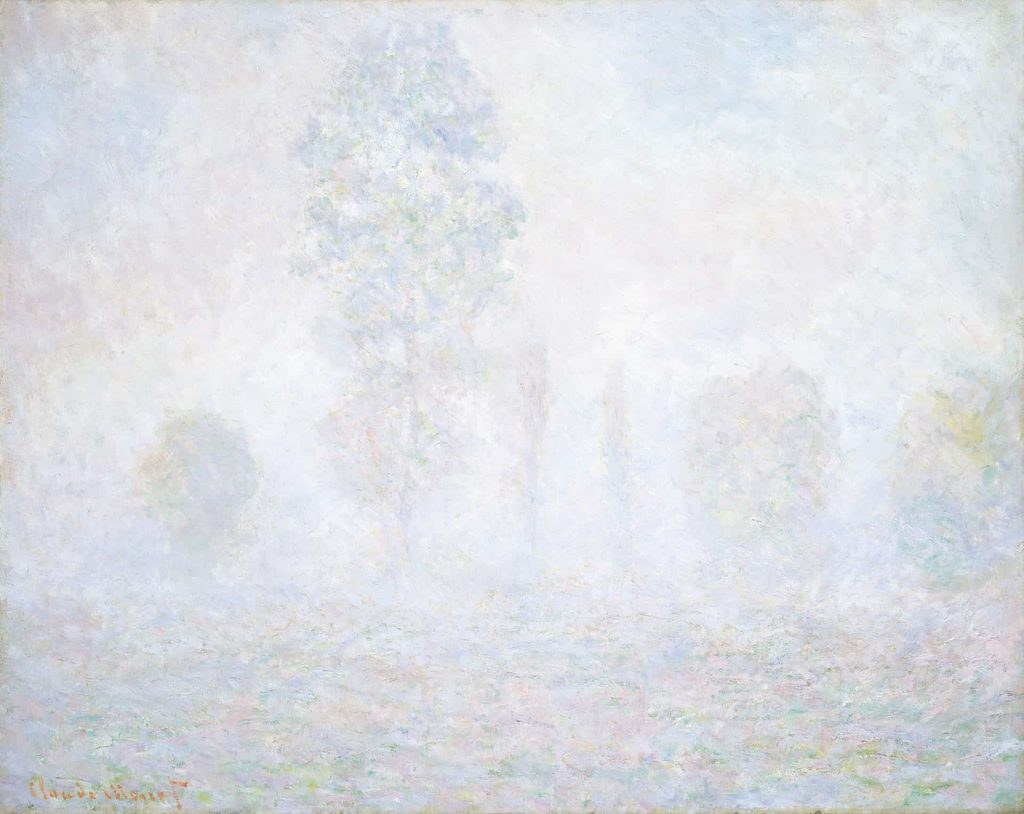
Weather and Light Become Part of Place
A location rarely has a single appearance.
Weather can completely change its character.
A harbour under hard summer sunlight can feel open and exposed. The same harbour in mist may seem enclosed and uncertain. Rain removes detail. Snow simplifies colour. Low winter light lengthens shadows and changes familiar forms.
Painters have always been sensitive to these changes because light determines so much of what can be seen.
But weather does more than alter appearance.
It changes experience.
Wind affects how the body moves through a landscape. Heat slows us down. Rain changes sound. Fog shortens distance. Darkness can transform a familiar street into somewhere uncertain.
These sensations become part of our understanding of place.
An artist does not necessarily need to paint the weather itself. Its effects can appear through colour, edges, tone and atmosphere.
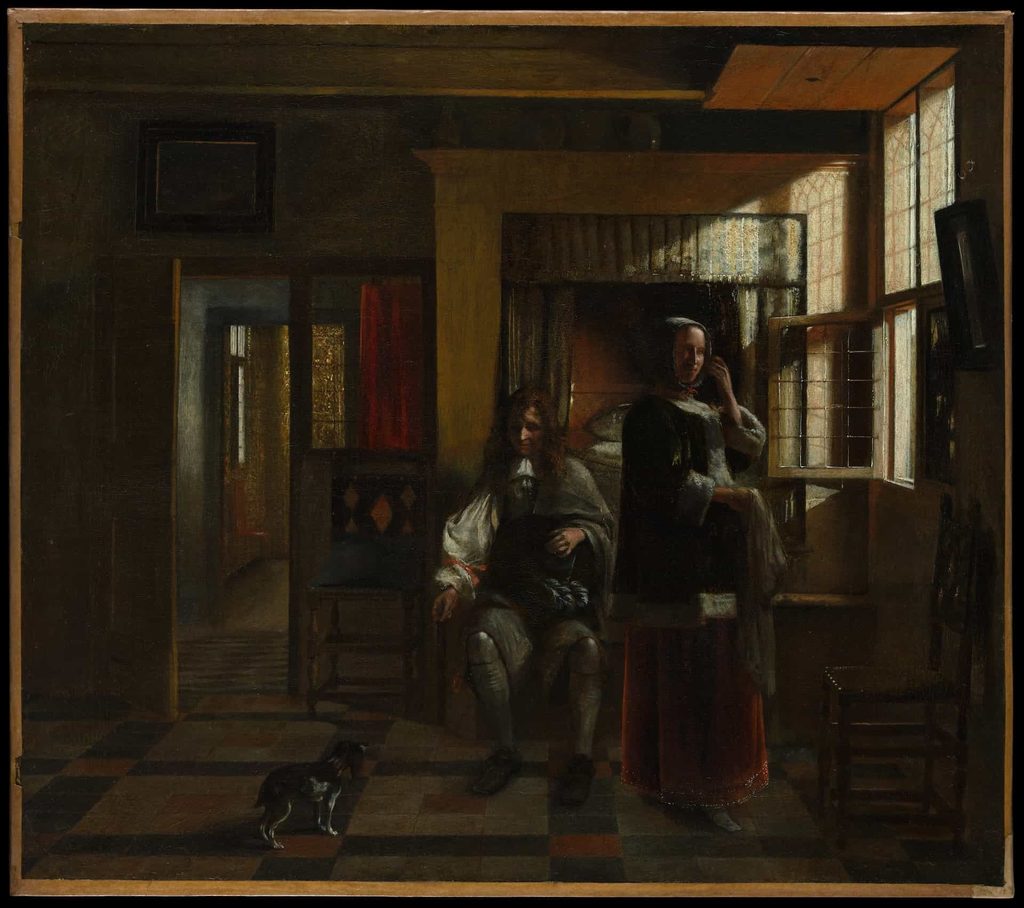
Place Can Be an Interior
Sense of place is sometimes discussed as though it belongs entirely to landscape painting.
It does not.
Rooms can carry just as much sense of place as coastlines or fields.
A domestic interior contains signs of occupation. Furniture, windows, curtains, photographs, empty chairs and objects tell us something about the people who live there or once did.
Even an almost empty room can feel specific.
The direction of the light, proportions of the space and relationship between objects can make us imagine a life beyond the image.
Interiors also connect strongly with memory.
People often remember homes through fragments rather than complete floor plans: a staircase, a particular window, the colour of a wall, light entering a hallway, the position of a table.
A painter can work with those fragments.
The room becomes both physical space and remembered space.
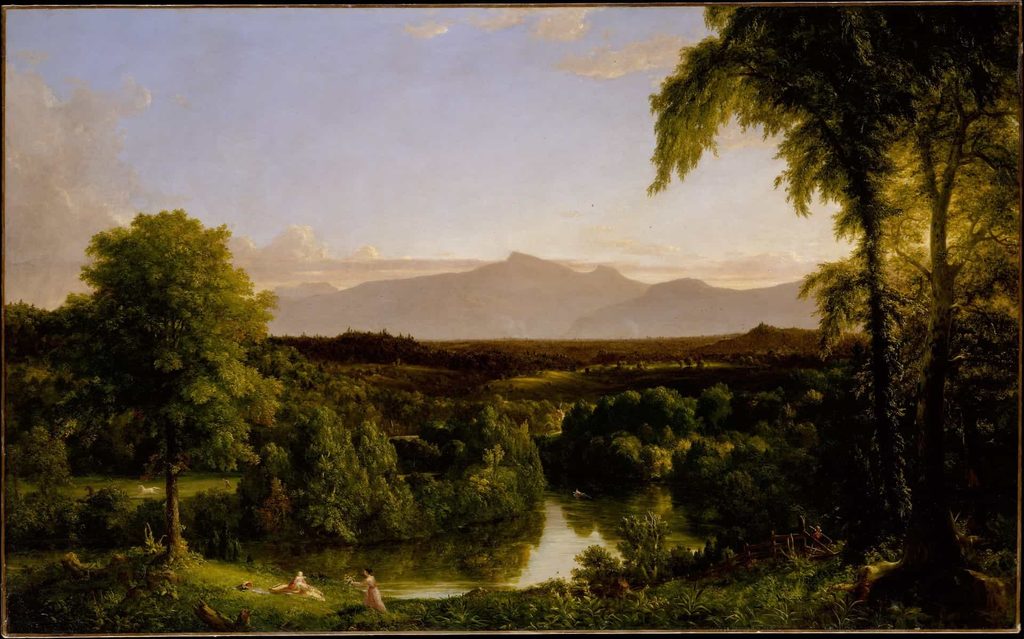
Home Is Not Always a Building
Home is one of the most complicated forms of place.
It can refer to a house, but it can also describe a town, landscape, country, community, language or feeling.
For someone who has moved, home may exist in several places at once.
For someone displaced from somewhere, it may become closely tied to memory.
For others, a place that technically is home may never feel like one.
Art can hold these contradictions more easily than straightforward description.
A painting can contain familiarity and distance at the same time. A recognisable landscape can feel uncertain. An ordinary interior can carry a sense of longing.
This is where place begins to overlap with belonging.
The artwork is no longer simply asking where someone is.
It begins asking where they feel they belong.
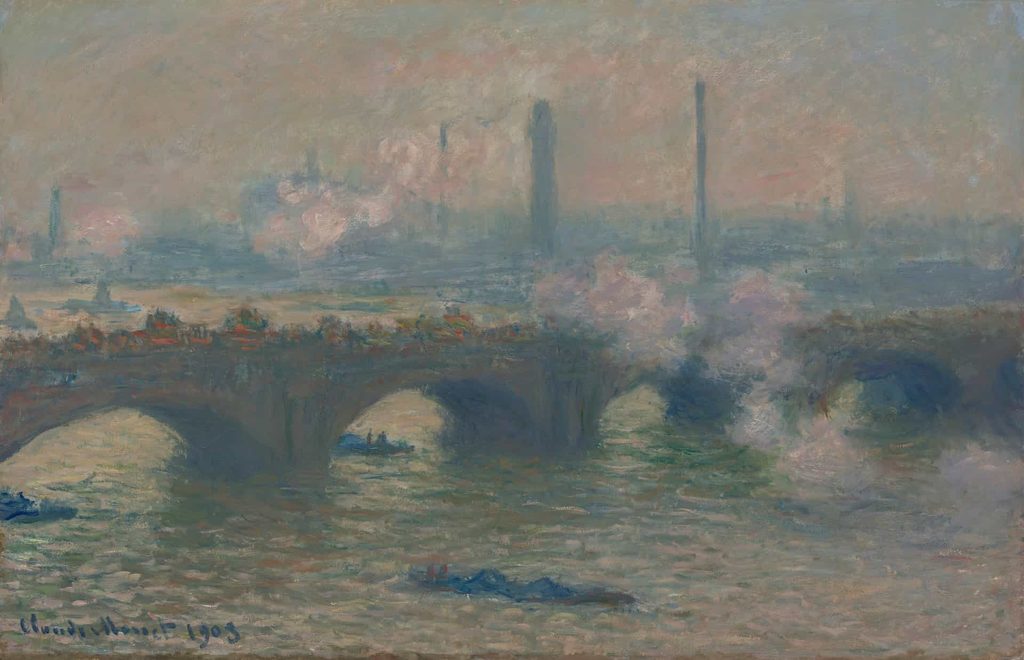
Why Some Artists Return to the Same Place
Artists returning repeatedly to a particular place is a familiar pattern throughout art history.
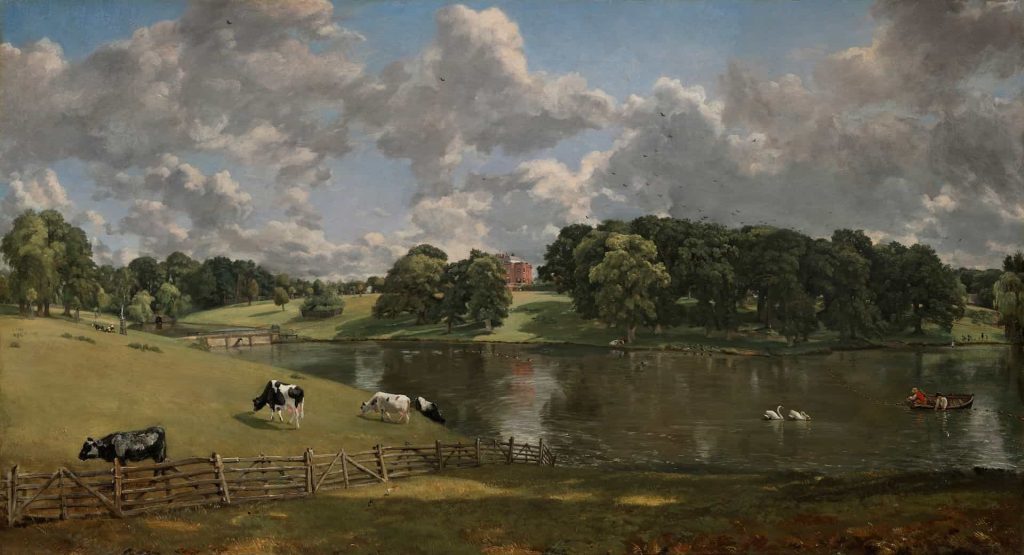
John Constable continually found subjects in the Suffolk landscape he knew from childhood. Georgia O’Keeffe became closely associated with the landscape of New Mexico. Peter Lanyon’s work developed from an intimate knowledge of West Cornwall. David Hockney repeatedly painted and drew the landscapes of Yorkshire.
What matters is not simply that these artists painted particular locations.
They knew them.
Returning creates the possibility of comparison.
A place can be seen in different seasons, at different times of day and at different stages of an artist’s life.
Eventually, the artist may no longer need to describe everything.
Familiarity allows selection.
A few shapes, colours or marks can carry the experience of somewhere known extremely well.
The Difference Between Landscape and Place
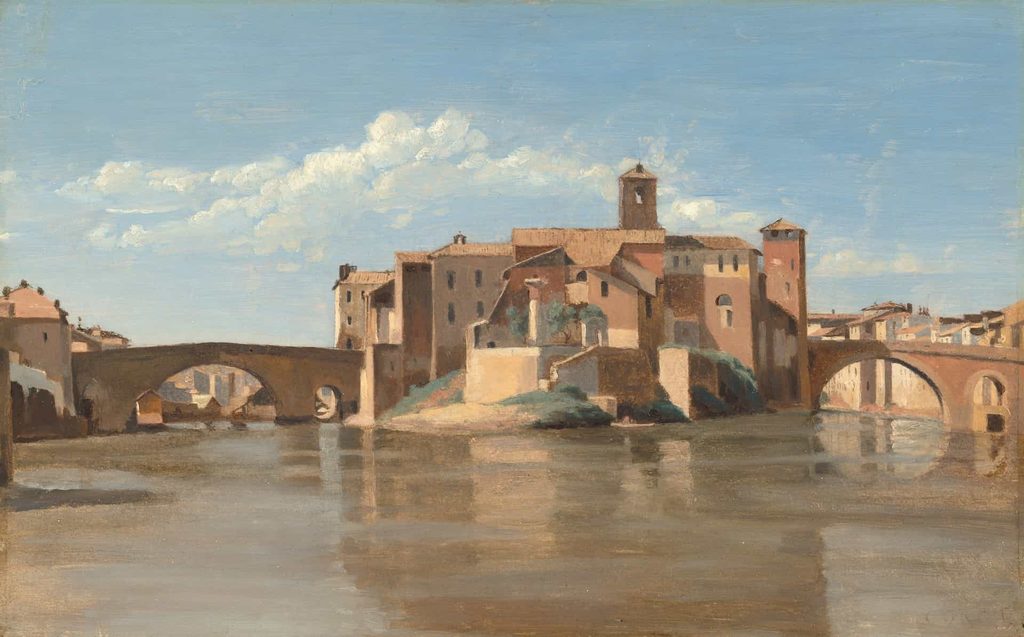
Landscape and place overlap, but they are not identical.
Landscape often describes what is seen.
Place includes what is known, remembered and experienced.
This distinction is useful when looking at paintings.
Ask whether the artwork feels like a view or somewhere inhabited.
Does it suggest weather?
Does it feel temporary or permanent?
Can you sense how someone might move through it?
Does the artist appear interested in what the location looks like, or in what happens there?
Is there evidence of memory, work, routine or human presence?
A painting can contain people without creating much sense of place.
Another painting can contain no people at all yet feel thoroughly inhabited.
Can an Abstract Painting Have a Sense of Place?
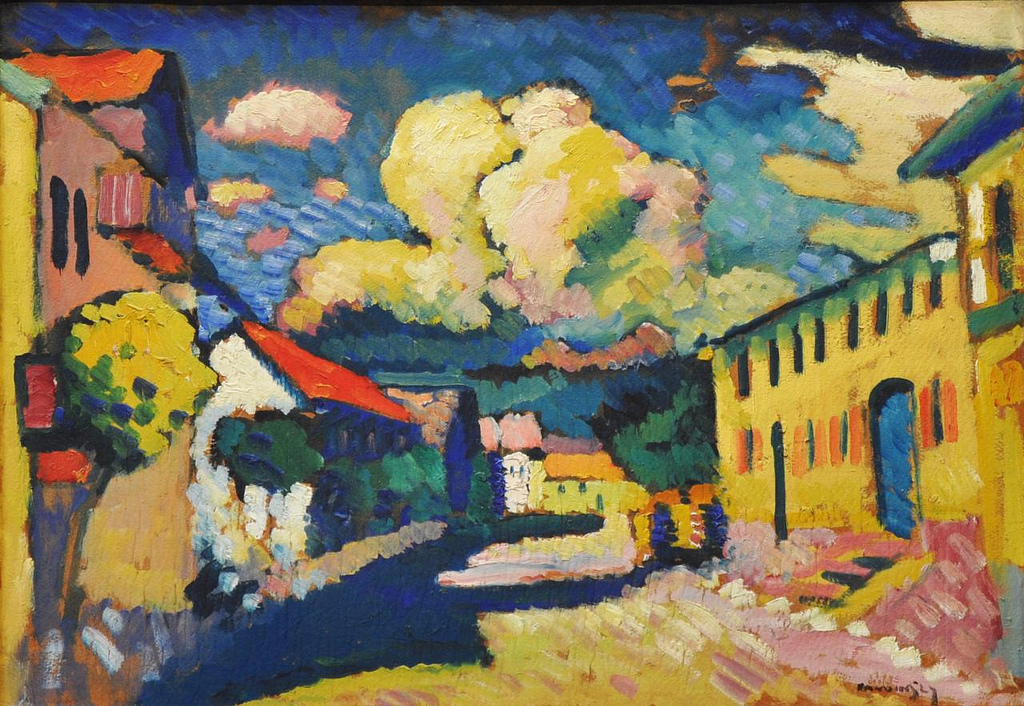
A painting does not need to show a recognisable landscape to carry a sense of place.
Artists can respond to a location through colour, rhythm, texture, scale or material.
A rocky coastline might become an arrangement of angular forms.
A city might be translated into repeated vertical marks.
A tidal landscape could become bands of colour and shifting surfaces.
The final artwork may no longer resemble the original location closely, but the experience of that place can remain embedded in it.
This is particularly interesting because it shows that sense of place is not dependent on visual accuracy.
A painting can move towards abstraction while remaining connected to somewhere specific.
The place has been transformed rather than abandoned.
Place Is Also Made by People
Places are not only geography.
They contain human activity.
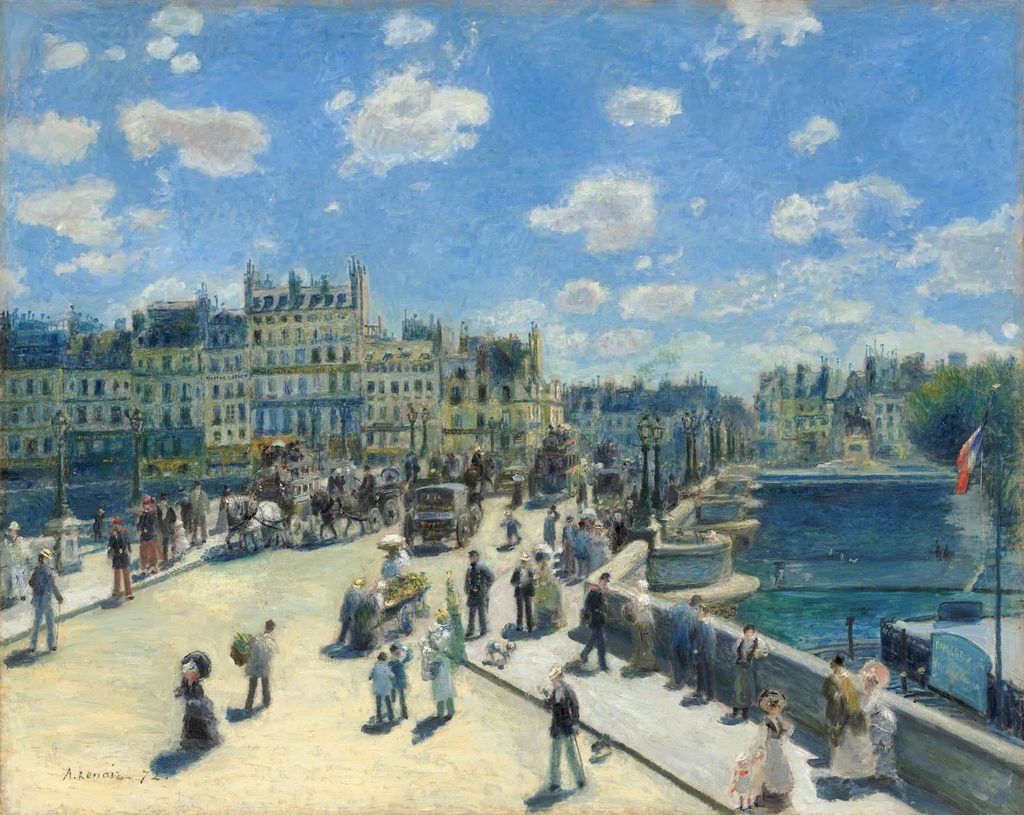
Markets, stations, parks, streets, workplaces and homes gain much of their identity from what people do within them.
An empty station and a crowded station are physically the same architecture, yet they feel completely different.
A painter interested in place may therefore become interested in movement, gesture and routine.
Who passes through?
Who stays?
Who belongs there?
Who appears temporary?
These questions can make figurative painting part of a conversation about place just as easily as landscape painting.
Sometimes the figure tells us where we are.
Sometimes the place tells us something about the figure.
Why Place Matters to the Viewer
The sense of place within an artwork does not belong only to the artist.
Viewers bring their own memories with them.
A painting of an unfamiliar town might remind someone of the street where they grew up. A particular quality of coastal light might recall childhood holidays. An interior may resemble a grandparent’s house even though the actual room is completely different.
This is one reason people can feel unexpectedly attached to artworks depicting places they have never visited.
Recognition does not always depend on geography.
Sometimes we recognise a feeling.
The place in the painting meets a place already stored somewhere in our own memory.
How to Look for a Sense of Place in Art
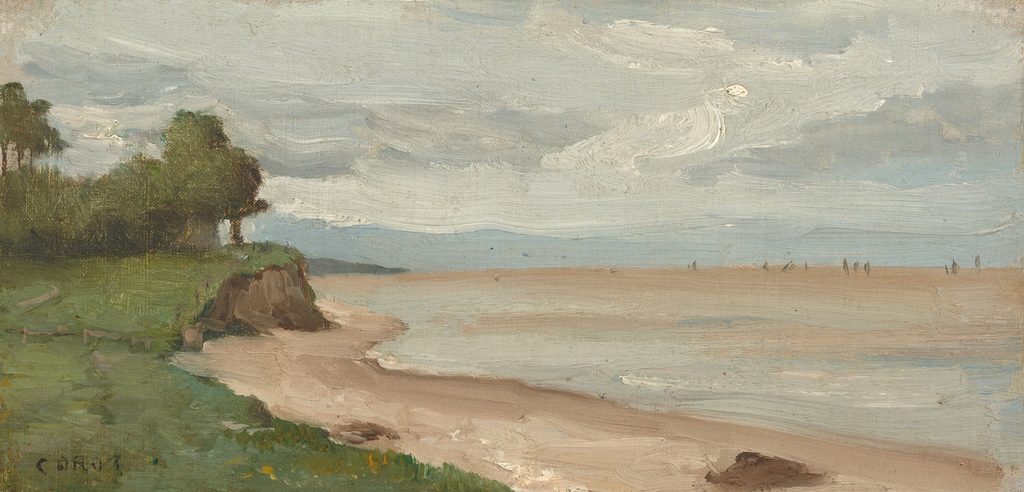
When looking at a painting connected to place, begin with something simpler than identifying the location.
Ask what kind of experience the artwork gives you.
Does the place feel exposed or sheltered?
Busy or empty?
Temporary or settled?
Familiar or strange?
Warm or distant?
Look at what the artist has chosen to emphasise.
Perhaps the horizon dominates the painting. Perhaps a small figure becomes the only sign of human presence. Perhaps the artist has ignored a famous view and concentrated instead on a wall, path or patch of water.
Those choices often reveal more about the relationship with a place than geographical accuracy does.
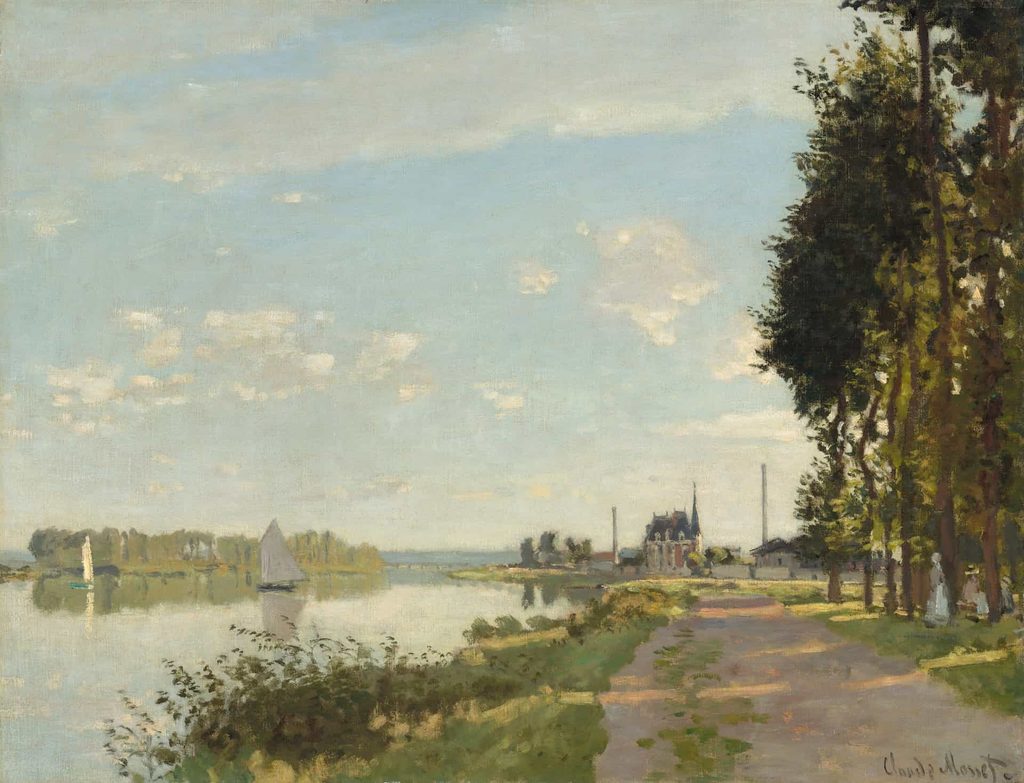
A Place Can Become Part of an Artist’s Visual Language
Artists do not simply collect locations.
Over time, the places they know can shape the way they work.
Certain colours recur.
Particular kinds of light become familiar.
Subjects repeat.
A coastline, room, street or journey can appear in different forms across years of work.
Eventually, place may be present even when it is not explicitly depicted.
That is perhaps the most interesting form of sense of place in art.
A location has been looked at for long enough that it begins to influence how the artist sees everything else.
The artist paints the place, but gradually the place also shapes the painter.
