
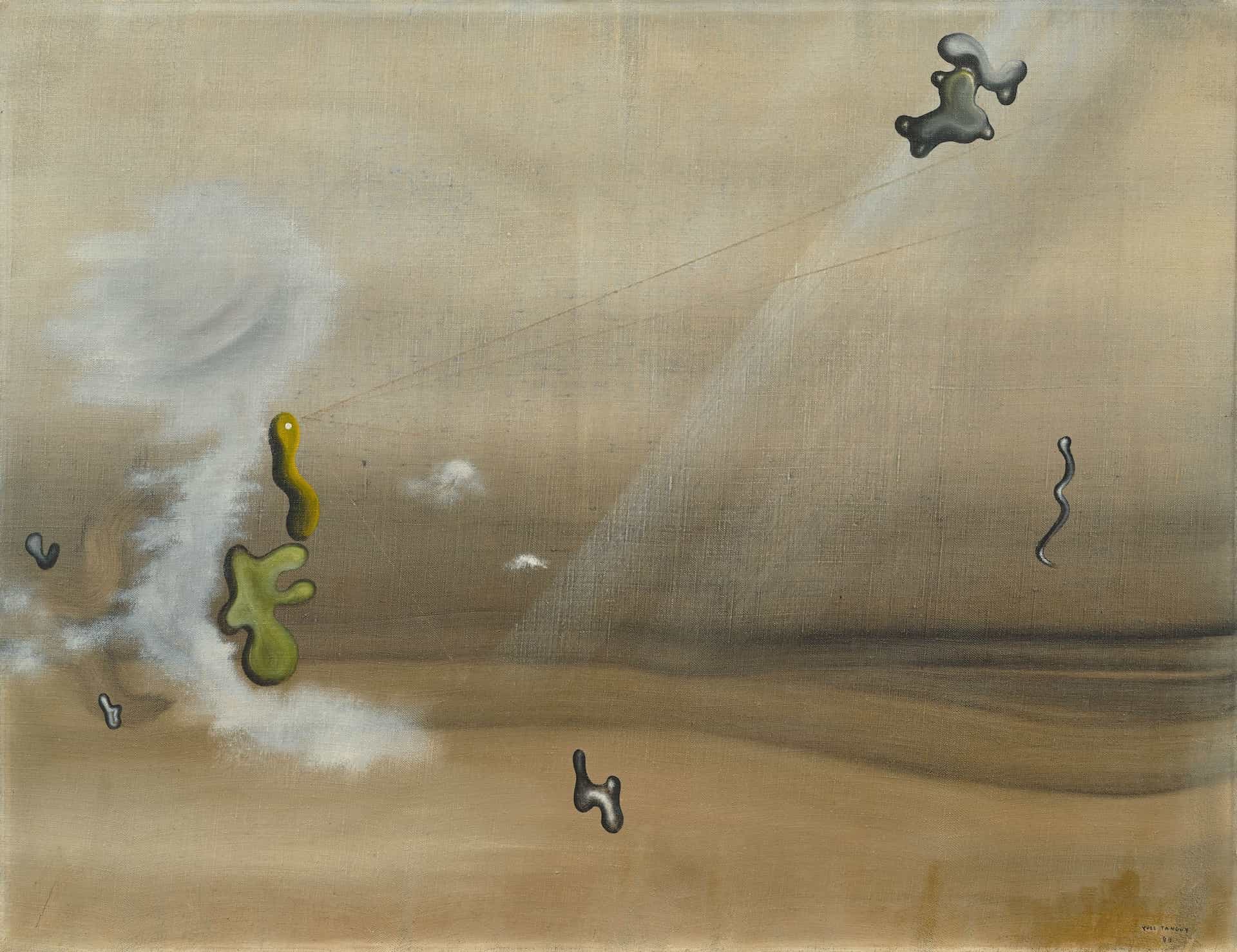
Surreal Art has a strange way of making the impossible feel familiar.
A room tilts slightly out of logic. A figure appears in a landscape that does not quite belong to this world. An everyday object becomes unsettling. A dream seems more honest than a realistic scene. The image may be impossible, but the feeling behind it is recognisable.
That is why surreal art still has power. It does not simply show strange things for the sake of being strange. At its best, it gives form to thoughts, memories, fears and desires that are difficult to explain directly.
Many people first meet Surrealism through famous artists such as Salvador Dalí, René Magritte, Max Ernst, Leonora Carrington, Dorothea Tanning, Joan Miró and Frida Kahlo. Melting clocks, floating figures, dreamlike rooms, impossible bodies and symbolic animals have become part of popular visual culture. Yet surreal art is far more than odd images or fantasy scenes. It is a way of looking at reality when ordinary realism no longer feels enough.
In contemporary painting, surreal art continues to matter because it offers artists a language for uncertainty. It allows a painting to hold memory, dream, conflict, humour, anxiety, mystery and emotional truth in one image.
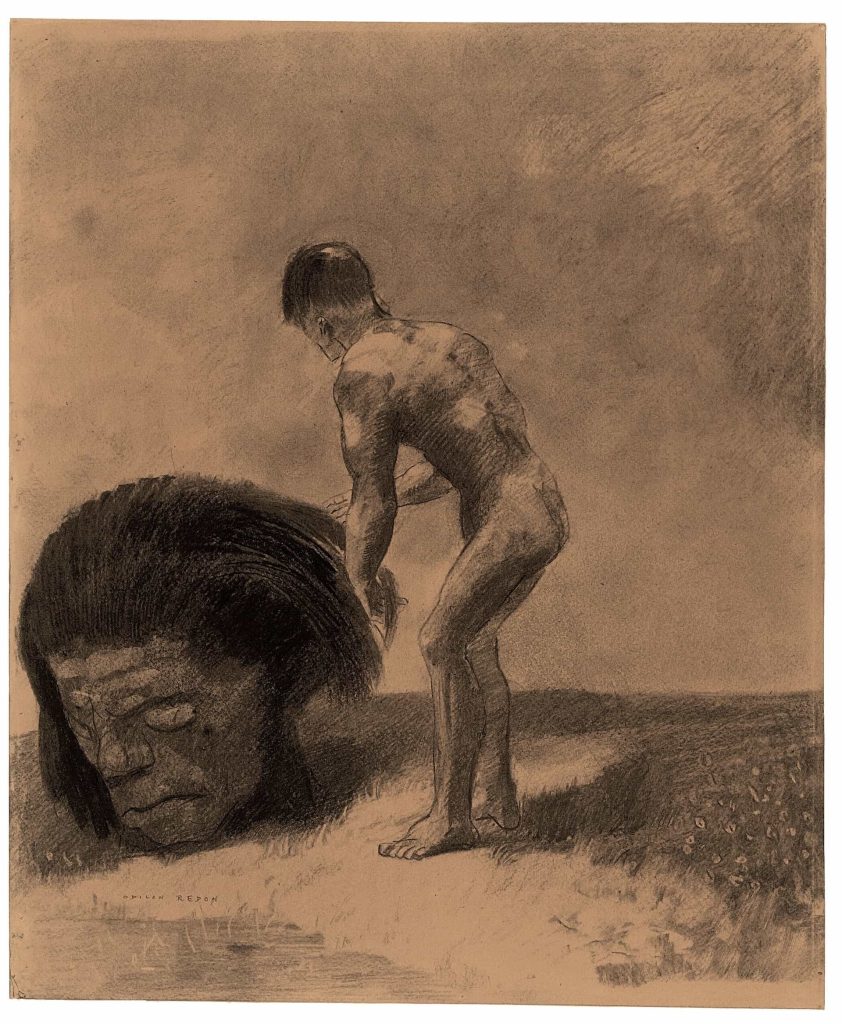
What is Surreal Art?
Surreal Art is art that brings together dream, imagination and reality in unexpected ways. It often uses strange combinations, symbolic objects, distorted bodies, uncanny landscapes and scenes that feel as if they come from the unconscious mind.
The word “surreal” is now used casually to describe anything unusual or dreamlike. But Surrealism was originally a major artistic and literary movement that began in the early twentieth century. It was shaped by writers and artists who wanted to move beyond rational thought and explore dreams, chance, desire and the unconscious.
Surreal art can be realistic in technique and impossible in meaning. It can also be loose, abstract, automatic or symbolic. Some surrealist artists painted with precise detail, making impossible scenes look strangely believable. Others used spontaneous marks, chance processes or abstract forms to bypass conscious control.
This is one of the reasons surreal art is so flexible. It is not one single style. It is a way of allowing the hidden life of the mind to enter the work.
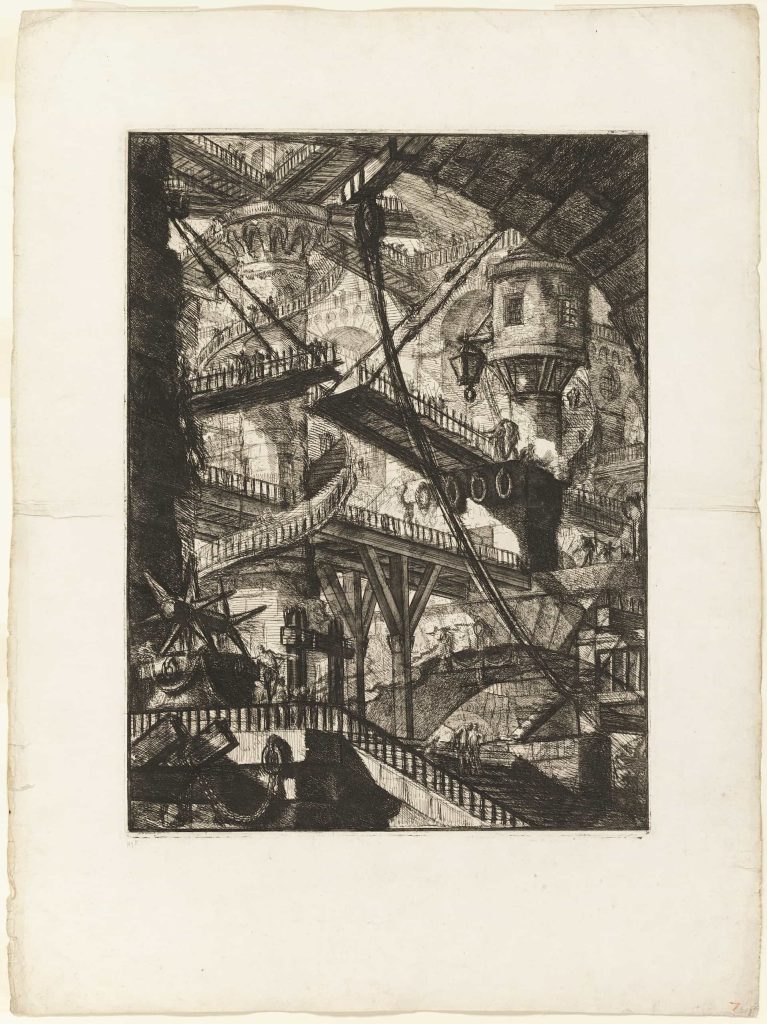
Why did Surrealism begin?
Surrealism developed after the First World War, in a period when many artists and writers had lost faith in reason, order and polite society. The world had seen the horror that so-called rational civilisation could produce. For the Surrealists, the rational mind could no longer be trusted as the only guide.
The poet André Breton published the First Manifesto of Surrealism in 1924. He and other Surrealists were interested in dreams, automatic writing, free association and the unconscious. They were influenced by Sigmund Freud’s work on dream interpretation and hidden desire, although they used those ideas in their own artistic way.
Surrealism grew partly from Dada, an earlier movement that attacked tradition, logic and bourgeois taste. But where Dada often focused on disruption and anti-art, Surrealism turned towards the dream, the symbol and the hidden image.
Surrealist artists wanted to break open reality. They were not trying to escape the world completely. They wanted to reveal another layer inside it.
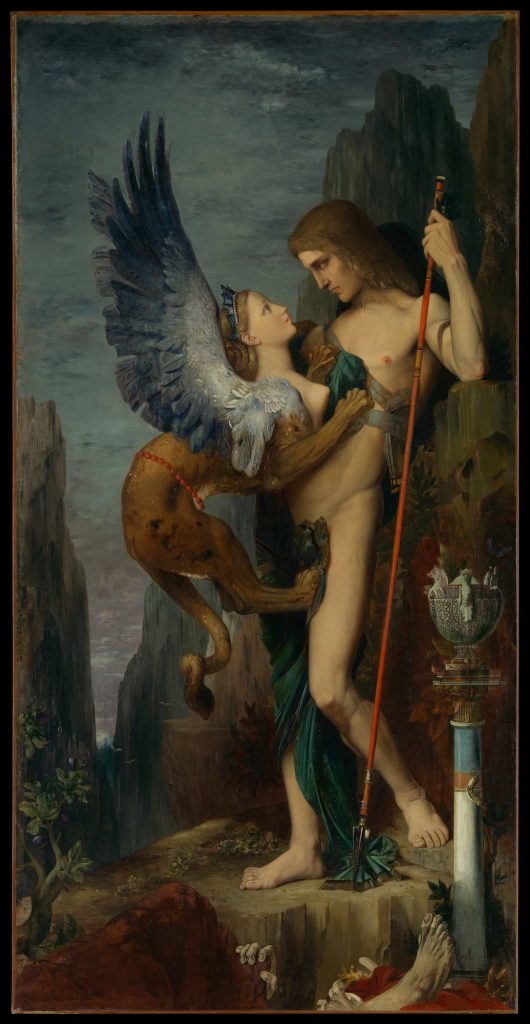
Surreal Art is not just weird art
One of the common mistakes people make is thinking surreal art means anything strange. A strange image is not automatically surreal in a meaningful way.
A strong surreal artwork does more than surprise the viewer. It creates a connection between things that should not belong together, then makes that connection feel emotionally true.
A birdcage may become a head.
A landscape may feel like a memory.
A body may turn into furniture.
A room may become a stage for fear or desire.
A familiar object may become threatening.
A figure may seem both present and absent.
The image is unusual, but it is not random. It has pressure behind it. It feels as if the artist has found a visual form for something usually hidden.
This is why surreal art can stay with us. It does not only ask, “Isn’t this strange?” It asks, “Why does this strange thing feel familiar?”
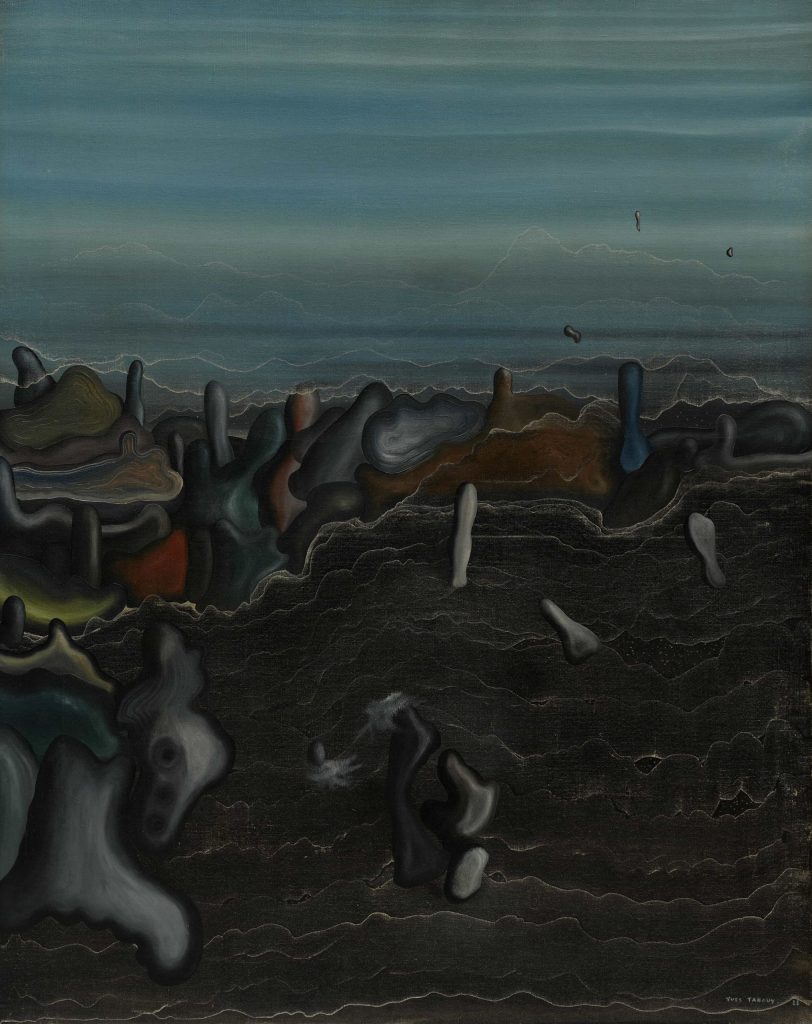
Dreams, memory and the unconscious
Dreams are central to surreal art because they do not follow ordinary rules. In dreams, time bends. People change identity. Rooms connect to landscapes. Objects gain emotional force. Something ordinary can become frightening, beautiful or absurd.
Surreal artists were interested in this logic of dreams. They saw dreams as a way to access parts of the mind that are usually controlled or censored during waking life.
But dream imagery in art does not need to be a direct record of an actual dream. It can also be dreamlike in mood, structure or atmosphere. A painting may feel dreamlike because the space is too quiet, the scale is wrong, the light is strange or the subject seems caught between states.
Memory works in a similar way. We do not remember life like a camera. We remember fragments, colours, rooms, gestures, sensations and emotional traces. Surreal art can make those fragments visible.
A painting may not show what happened. It may show how something felt.

Why surreal art feels relevant today
Surreal art feels especially relevant now because everyday life often feels surreal.
People live between physical and digital worlds. News arrives faster than we can process it. Images are edited, filtered, generated and shared constantly. Public life can feel unstable. Private life is shaped by screens, memory, pressure and performance. The line between real and unreal can feel thinner than before.
Surreal art gives visual form to that feeling.
It can speak to anxiety without illustrating anxiety directly. It can show disconnection without needing a literal explanation. It can make the inner world visible without turning it into a simple message.
This is important for contemporary painting. A realistic image can show what something looks like. A surreal image can show how reality feels when it becomes uncertain.
That is why surreal art continues to appear in painting, photography, film, illustration, fashion, animation, advertising and digital culture. The surreal has become one of the visual languages of modern life.
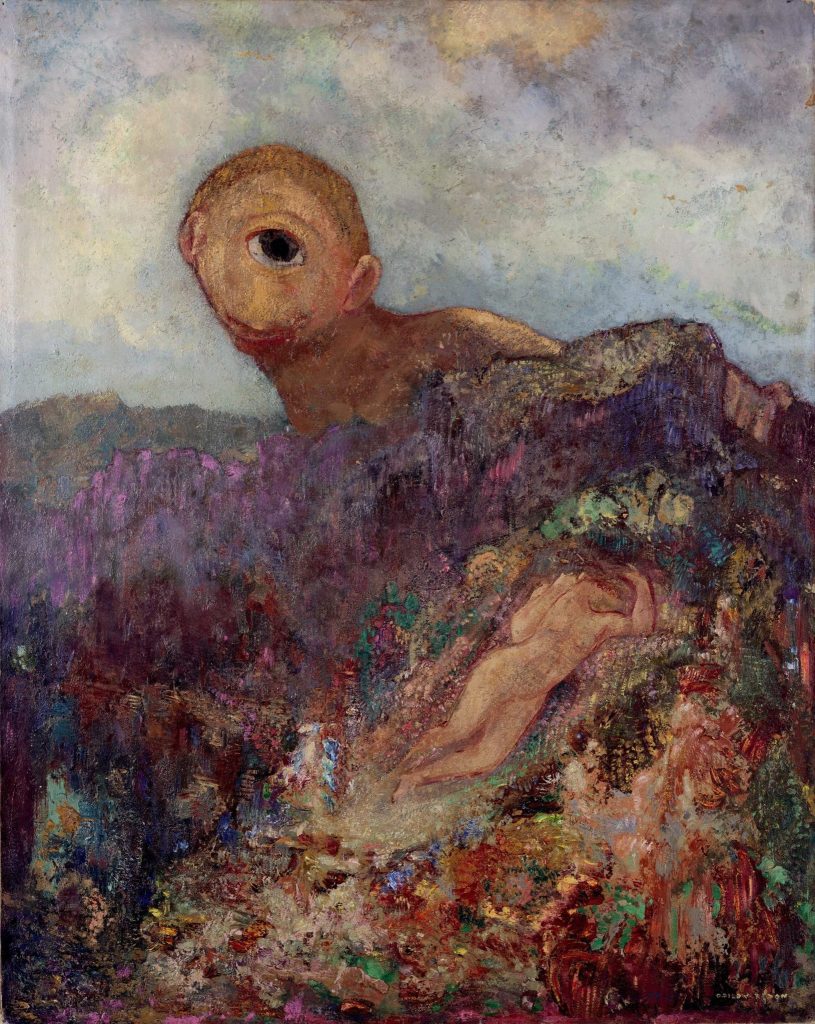
The uncanny: when the familiar becomes strange
A useful word for understanding surreal art is “uncanny”. The uncanny is the feeling that something is familiar and unfamiliar at the same time.
A room might look normal, but the atmosphere feels wrong.
A figure might look human, but not quite.
An object might be ordinary, but placed in a way that makes it unsettling.
A landscape might seem peaceful, but something about the light or scale feels impossible.
This feeling is powerful because it does not rely on obvious shock. It works quietly. The viewer senses that something is off before they can explain why.
Many surreal artworks use the uncanny. René Magritte did this brilliantly. His paintings often use clear, simple objects: apples, hats, clouds, windows, pipes, rooms and figures. The strangeness comes from the way they are arranged. The ordinary world begins to betray itself.
For contemporary artists, the uncanny remains useful because it reflects how modern life often feels. Familiar things can quickly become unstable: homes, bodies, photographs, screens, objects and memories.
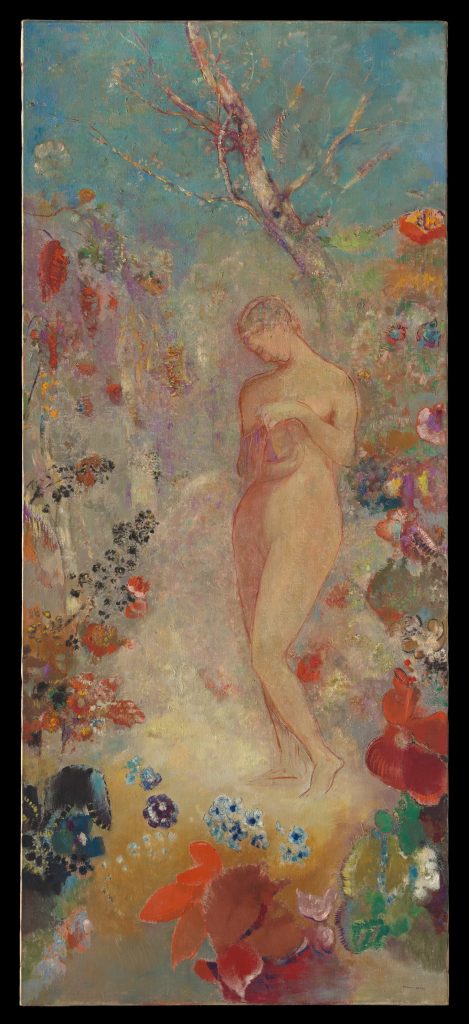
Surreal Art and the body
The body is one of the strongest subjects in surreal art. Surrealist artists often transformed, fragmented or distorted the human figure.
This was not only for visual drama. The body is where identity, desire, fear, vulnerability and memory are held. Changing the body in art can reveal something about being human that a realistic body might hide.
A surreal body might be incomplete, doubled, masked, stretched, hidden or hybrid. It might merge with furniture, landscape, clothing, animal forms or symbolic objects. These changes can feel disturbing, playful or poetic.
In contemporary painting, the body remains a place where surreal art can speak strongly. A distorted figure may suggest emotional pressure. A hidden face may suggest privacy or absence. A body in an impossible space may suggest memory, grief or transformation.
The point is not to make the figure odd. The point is to make the body carry feeling.
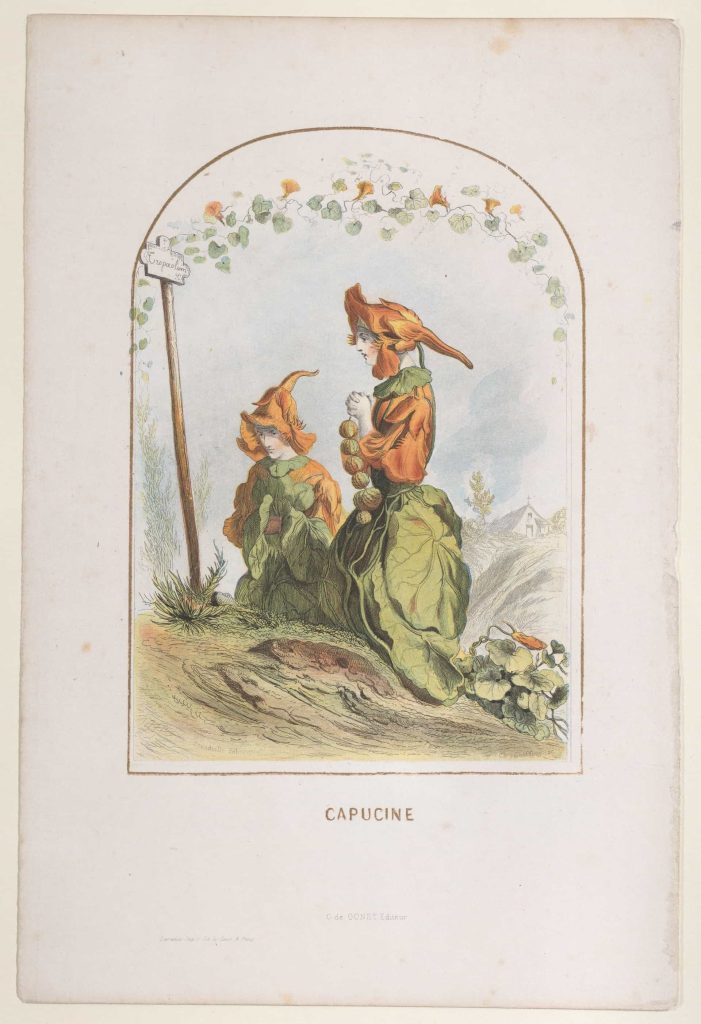
Everyday objects made strange
Surreal art often begins with ordinary objects.
A cup, chair, mirror, clock, shoe, flower, shell, key, glove, window or piece of furniture can become strange when removed from its usual context. Surrealism understands that objects are never only practical. They carry memory, desire, habit and association.
This is why surreal art can be so effective. It does not always need fantasy creatures or invented worlds. It can take something from daily life and make us see it differently.
An object becomes surreal when it seems to know more than it should.
A mirror may suggest another world.
A closed door may suggest a hidden fear.
A table may feel like a stage.
A chair may seem to wait for someone absent.
A flower may become sensual, comic or threatening.
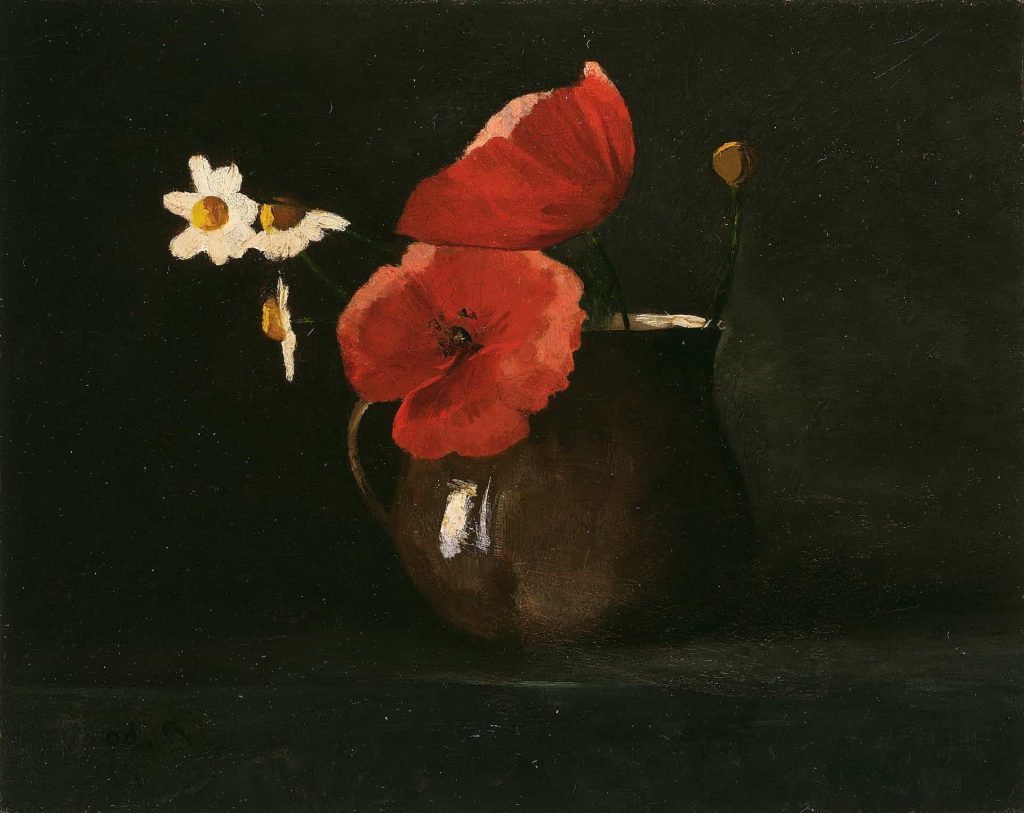
For painters, this offers rich possibilities. Still life, interior painting and figurative painting can all become surreal through placement, scale, shadow, colour and atmosphere.
Surreal Art and painting
Painting suits surreal art because paint can hold contradiction. It can make an impossible image feel physical. It can make a dream feel as if it has weight, surface and light.
A painted surreal image does not need to behave like a photograph. Paint can blur, stain, sharpen, scrape, flatten or distort. It can make the visible world feel unstable.
Some surreal painters use precise detail so the impossible scene becomes strangely believable. Others use loose marks to suggest something half-formed or unconscious. Both approaches can work.
In painting, surreal art often depends on tension:
Realistic detail and impossible content
Familiar objects and strange placement
A calm surface and disturbing meaning
Beauty and unease
Humour and fear
Control and accident
The best surreal painting often feels as if it has discovered something rather than invented something for effect.
How to look at surreal art
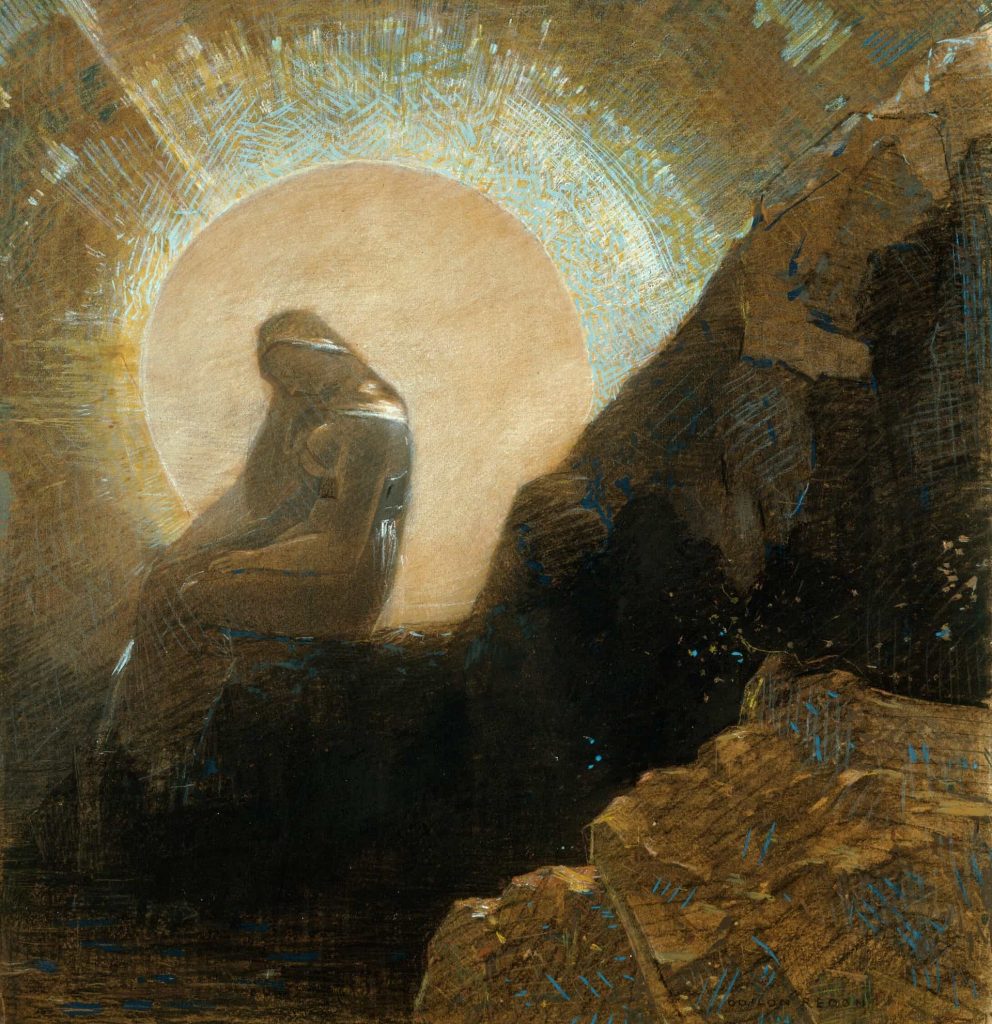
When looking at surreal art, do not try to solve it too quickly. Surreal images often lose their power if reduced to one explanation.
Instead, begin by noticing what feels wrong or unexpected.
Ask:
What looks familiar?
What looks impossible?
Which objects seem important?
Does the space make sense?
Is the mood calm, comic, anxious or threatening?
Does the image feel like a dream, memory or stage?
What has been hidden, changed or displaced?
What feeling remains after you look away?
Surreal art works through association. One object may lead to a memory. One colour may change the mood. One figure may make the whole scene feel private or theatrical.
It is fine not to understand everything. Surreal art often asks for openness rather than certainty.
The difference between surreal, symbolic and fantasy art
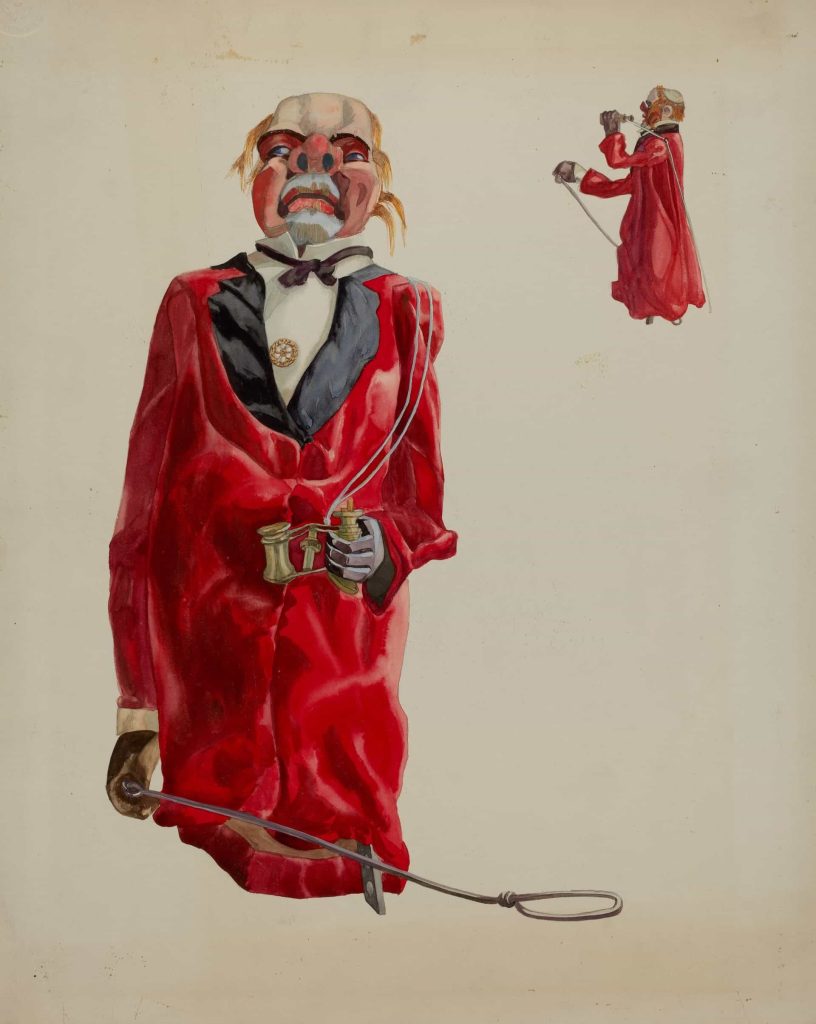
Surreal art, symbolic art and fantasy art can overlap, but they are not the same.
Fantasy art often creates imaginary worlds, creatures or narratives. It may invite the viewer into another realm.
Symbolic art uses images to stand for ideas, beliefs or emotions. A flower, skull, animal or colour may carry a specific meaning.
Surreal art often places familiar things into unfamiliar relationships. It may use symbols and dreamlike scenes, but its power often comes from disruption. It takes the known world and makes it strange.
A simple way to think about it:
Fantasy asks, “What if another world existed?”
Symbolism asks, “What does this image mean?”
Surreal art asks, “What if reality is not as stable as it appears?”
That last question is why surreal art still feels alive.
Women and surreal art
For a long time, the story of Surrealism was told mainly through male artists such as Dalí, Magritte, Ernst, Miró and Breton. That picture is incomplete.
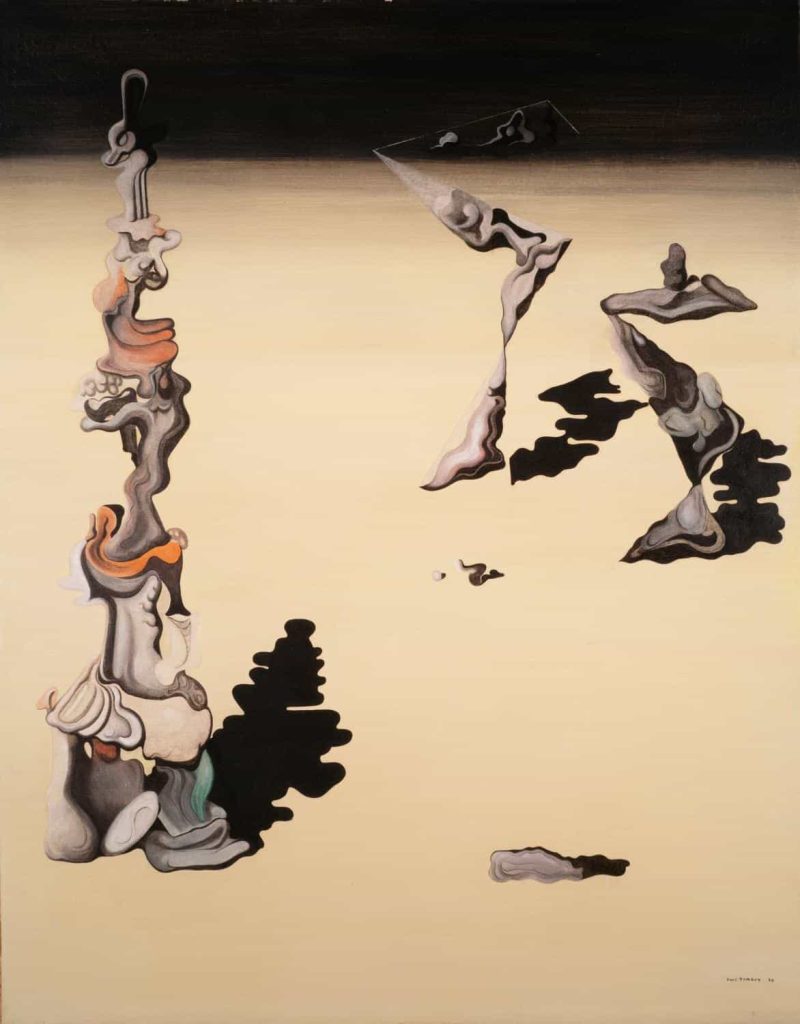
Women artists played a vital role in surrealism and its wider legacy. Leonora Carrington, Dorothea Tanning, Remedios Varo, Meret Oppenheim, Ithell Colquhoun, Claude Cahun, Eileen Agar and others brought powerful ideas about transformation, identity, myth, dream and the body.
Many of these artists did not simply illustrate someone else’s Surrealism. They expanded it. Their work often explored selfhood, sexuality, metamorphosis, folklore, occult thinking, domestic space and alternative forms of knowledge.
This matters today because contemporary surreal art is not limited to the old idea of the male artist exploring desire through the female body. The surreal can also be used to question identity, power, memory and the private self.
A fuller understanding of surreal art gives more space to these artists and to the many contemporary painters who continue to use dreamlike imagery in personal ways.
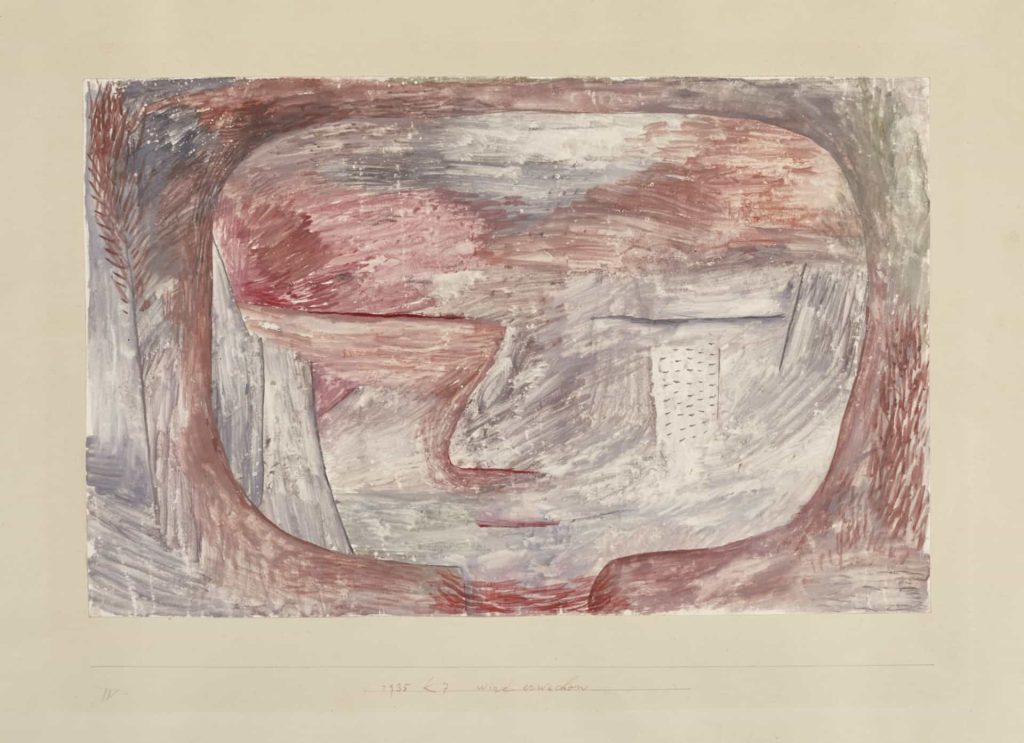
Surreal Art in contemporary practice
Contemporary surreal art does not need to copy historical Surrealism. A modern painter can use surreal elements without painting like Dalí or Magritte.
Surreal art today might appear through:
A figure placed in an impossible room
A body merging with landscape
A domestic object made symbolic
A dreamlike colour palette
A half-remembered interior
A face partly hidden or transformed
A still life that feels emotionally charged
A scene where scale no longer makes sense
A painting built from fragments of memory
This is especially relevant to artists working with painting and drawing. The surreal can enter through process as much as subject. A mark may suggest a figure. A shadow may become an object. An accident in paint may lead the image somewhere unexpected.
Surreal art is not only a finished look. It can be a method of discovery.
How artists can use surreal thinking
Artists interested in surreal art do not need to begin with a fully formed dream image. Sometimes the most interesting work begins with a simple disruption.
Take an ordinary object and change its scale.
Place a figure in the wrong landscape.
Paint a room from memory rather than observation.
Combine two unrelated images.
Let a mark suggest the next form.
Paint an object as if it has emotional weight.
Remove one expected detail.
Add one impossible detail.
Allow the image to remain partly unresolved.
Surreal thinking gives artists permission to trust association. It asks them to pay attention to what appears when the rational mind loosens its grip.
This can be useful in drawing, painting, collage and mixed media. It can also help artists move beyond copying a reference image too closely. The work begins to ask its own questions.
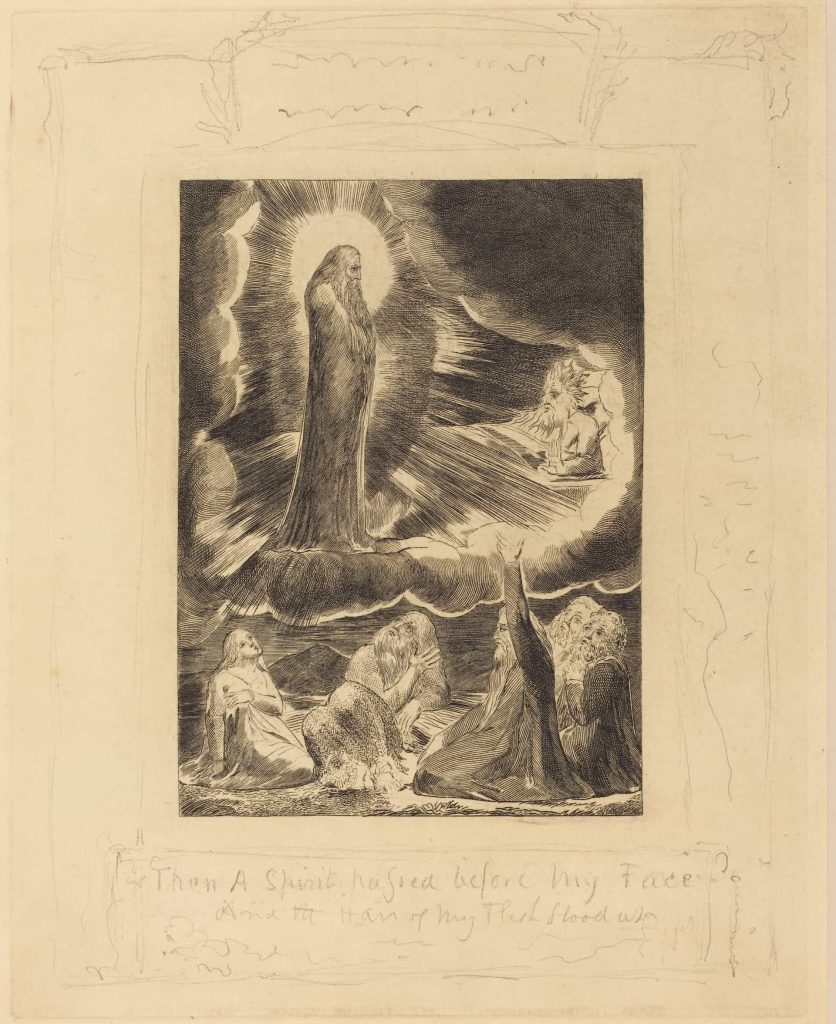
Why surreal art connects with viewers
Surreal art connects with viewers because it respects the strange nature of inner life.
Most people have thoughts, memories or dreams that do not fit neatly into language. They know what it is like to feel unsettled without knowing why. They know the sudden emotional force of an object, a place, a room or a remembered image.
Surreal art gives those experiences a visual form.
It can be funny, unsettling, beautiful, dark or tender. It can hold contradictions without resolving them. It allows viewers to bring their own associations to the work.
This makes surreal art deeply personal. Two people may look at the same painting and feel different things. That does not mean the painting has failed. It means the image is open enough to meet different inner worlds.
What collectors should notice in surreal art
For collectors, surreal art can be rewarding because it often keeps revealing new details over time. A strong surreal artwork should not rely only on a quick visual trick. It should continue to hold mystery after the first surprise.
When looking at surreal art, ask:
Does the image stay interesting after the initial strangeness?
Do the objects or figures feel connected by mood or meaning?
Is the painting well made as a painting?
Does the strange element feel necessary?
Is there emotional depth beneath the image?
Can you live with its atmosphere?
Does it invite repeated looking?
This last question is important. Surreal art can have a strong presence in a room. It may be quiet and dreamlike, or intense and unsettling. Before buying, think about how the work will feel over time.
A good surreal painting does not simply decorate a wall. It creates a conversation with the space around it.
Why surreal art matters to painting now
Surreal art matters to painting now because it offers a way to work with uncertainty, without reducing everything to explanation.
Contemporary life is full of fractured images, private anxieties, digital distortions and strange emotional overlaps. Realism alone cannot always hold that. Pure abstraction may not always give the viewer enough of a doorway. Surreal painting sits between the two. It can show recognisable things while bending their meaning.
This makes it especially useful for artists interested in memory, identity, the body, domestic space, landscape and the unconscious.
Surreal art also resists the speed of online images. It asks the viewer to slow down. To wonder. To notice. To accept that not every image needs to be solved instantly.
In that sense, surreal art is not an escape from reality. It is a way of admitting that reality has never been as tidy as we pretend.
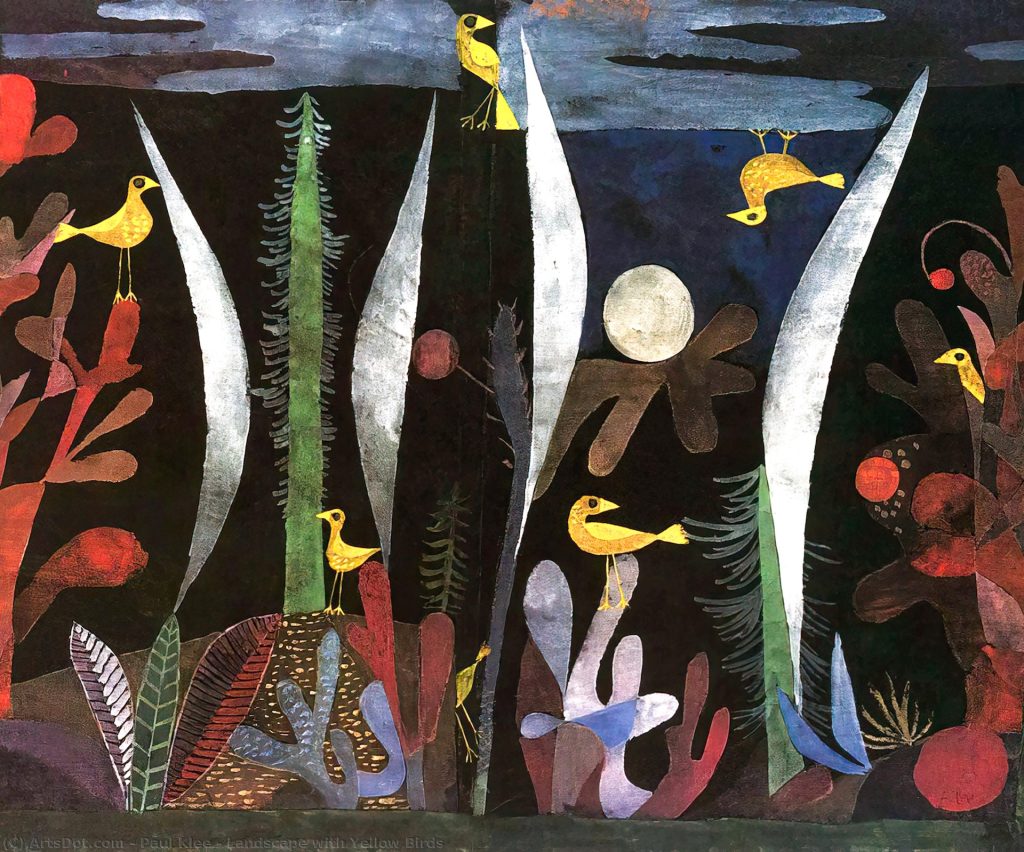
FAQs about Surreal Art
What is Surreal Art?
Surreal Art is art that combines reality, dream, imagination and the unconscious. It often uses unexpected objects, strange spaces, symbolic figures and dreamlike imagery to reveal hidden feelings or ideas.
Is Surreal Art the same as Surrealism?
Not exactly. Surrealism was a historical movement that began in the early twentieth century. Surreal Art is a wider term that can include historical Surrealism as well as contemporary artworks that feel dreamlike, uncanny or psychologically strange.
Who are famous surreal artists?
Famous surreal artists include Salvador Dalí, René Magritte, Max Ernst, Leonora Carrington, Dorothea Tanning, Remedios Varo, Joan Miró, Meret Oppenheim, Man Ray and André Masson.
Why does surreal art use dreams?
Dreams allow images, memories and feelings to connect in ways that do not follow everyday logic. Surreal artists used dreamlike imagery to explore the unconscious mind and hidden emotional life.
What makes an artwork surreal?
An artwork feels surreal when it brings familiar things together in unexpected, dreamlike or uncanny ways. The image may be strange, but it should still carry emotional or symbolic meaning.
Is surreal art still popular?
Yes. Surreal art remains popular because it speaks to imagination, uncertainty, dreams and psychological experience. It continues to influence painting, photography, film, illustration, fashion and digital culture.
How can I understand surreal art?
Start by looking at what feels unusual. Notice the objects, setting, scale, mood and symbols. Do not rush to find one fixed meaning. Surreal art often works through association, memory and feeling.
Can contemporary painting be surreal?
Yes. Contemporary painting can be surreal without copying historic Surrealism. A painter may use dreamlike spaces, symbolic objects, strange bodies, memory, distortion or uncanny atmosphere to create a surreal effect.
Surreal Art still feels powerful because it understands something ordinary realism can miss: human experience is not always logical.
We dream. We remember badly. We attach feelings to objects. We carry private symbols. We live in rooms that hold traces of the past. We move through a world that often feels stranger than we can explain.
Surreal art gives that inner strangeness a visible form. It makes the impossible feel emotionally true. It allows painting to move between observation and imagination, between the everyday and the hidden, between what we see and what we sense.
That is why surreal art remains more than a historical movement. It is still a living language for artists who want to paint what cannot be said directly.
