
What Is Mark Making in Art?
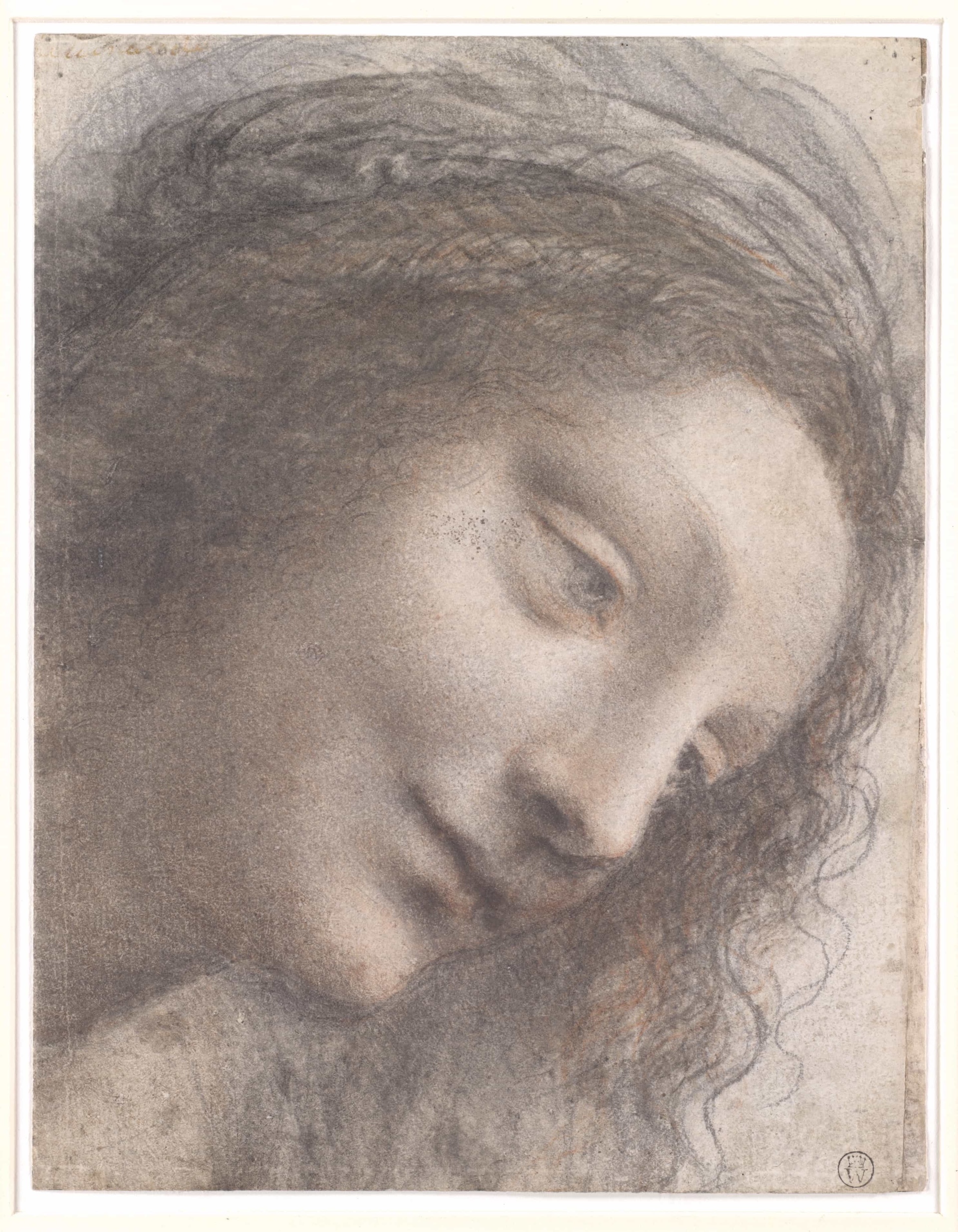
Mark making in art is the act of creating visible marks on a surface. These marks might be lines, dots, scratches, smudges, brushstrokes, repeated patterns, areas of tone, or textured marks made by hand.
At its simplest, mark making is what happens when an artist touches paper, canvas, board, fabric, or another surface and leaves a trace. At its most meaningful, it becomes a visual language.
A mark can describe the edge of a face, the weight of a shadow, the movement of a body, the roughness of a surface, or the atmosphere of a moment. Some marks are careful and controlled. Others are loose, heavy, broken, quick, delicate, or uncertain.
That is why mark making is not only a technique. It is one of the ways artists think through an image.
In drawing and painting, marks carry more than information. They show pressure, pace, hesitation, confidence, correction and touch. A line is rarely just a line. It can feel nervous, calm, sharp, soft, restless, slow, bold, fragile, repeated, erased, or almost hidden.
For anyone learning how to look at art, mark making is a useful place to begin. It helps us move beyond the subject of an artwork and notice how the image has been made.
What Does Mark Making Mean?
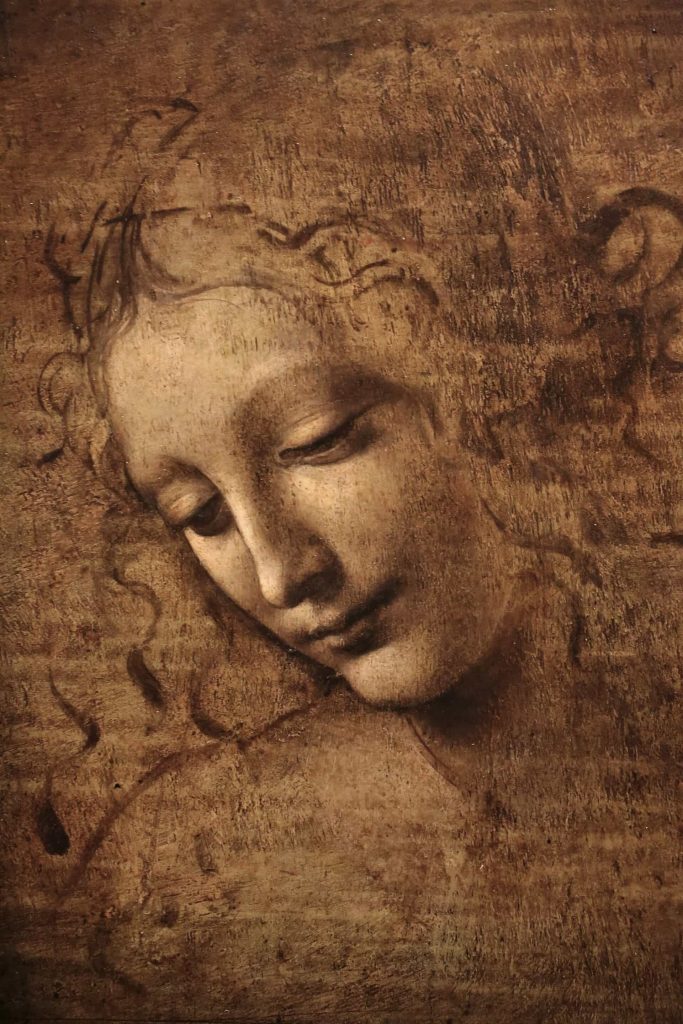
Mark making means using marks to build an artwork. These marks can create shape, movement, tone, rhythm, texture, contrast, space and atmosphere.
In drawing, mark making might include pencil lines, charcoal marks, hatching, cross-hatching, shading, smudging, rubbing, stippling, erasing, scratching, or loose gestural marks.
In painting, mark making might appear as visible brushstrokes, dragged paint, palette knife marks, dry brush marks, thin washes, thick impasto, scratched surfaces, or paint that has been wiped away.
The term can apply to almost any kind of art, from a charcoal portrait to an abstract painting. It can be precise or expressive, quiet or energetic, planned or instinctive.
Marks can be used to describe form, suggest light and shadow, create texture, show movement, build tone, lead the viewer’s eye, create rhythm, express emotion, or make the artist’s hand visible.
This makes mark making central to drawing and painting. It is the point where observation becomes action.
Why Is Mark Making Important in Art?
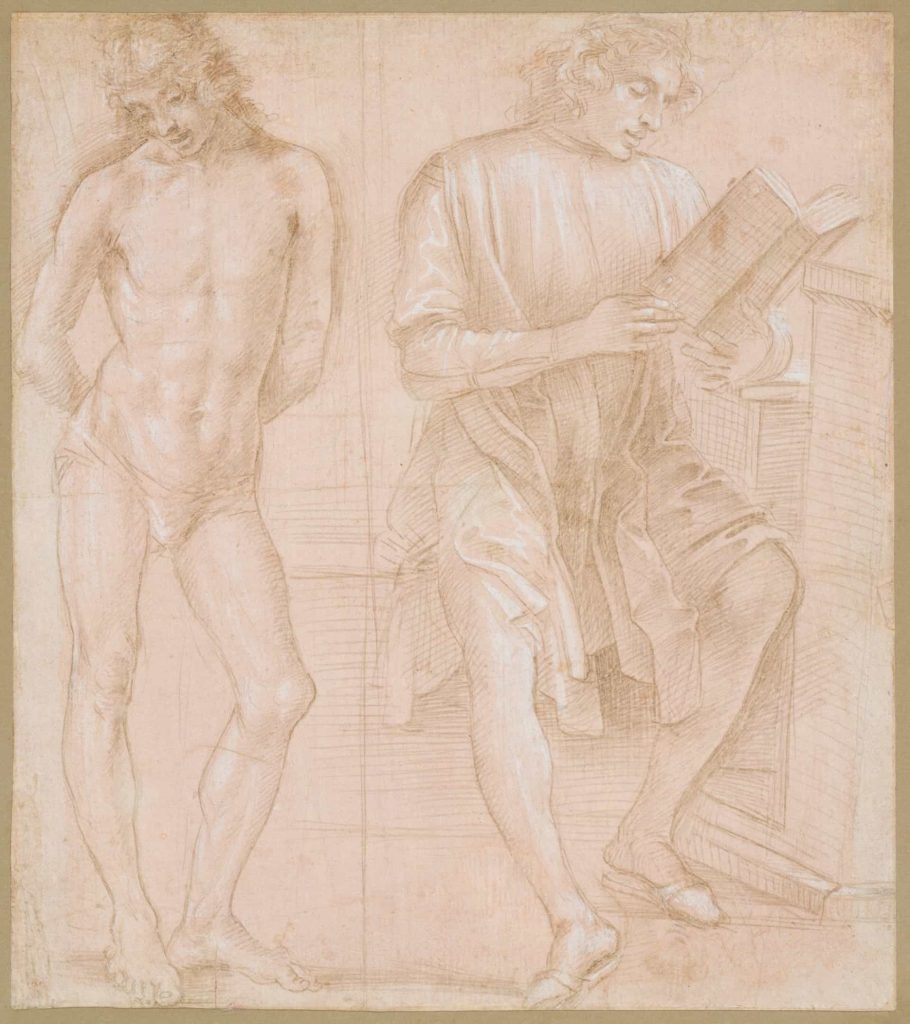
Mark making is important because it gives an artwork its physical life.
A photograph can show an image. A drawing or painting can show an image and the act of making it. We can see the hand at work. We can sense pressure, speed, touch and revision. That presence is one of the reasons handmade art continues to matter.
In figurative art and portraiture, mark making can be especially powerful. A few lines around the eye can change an expression. A soft charcoal shadow can suggest thought, distance, tiredness, or intimacy. A dense area of tone can make a figure feel still, heavy, or withdrawn. A broken edge can make an image feel fragile or unresolved.
Mark making also helps stop an artwork from becoming too flat or polished. If every area is blended to the same finish, the surface can lose energy. When marks remain visible, the viewer is invited to follow the making of the image.
This does not mean every mark needs to be dramatic. Some of the most powerful marks are quiet. A faint line, a rubbed edge, a lifted highlight, or a thin brushstroke can change the whole feeling of a work.
Good mark making is not about decoration. It is about intention.
Types of Mark Making in Art
Artists use many different types of mark making. Often, several appear in the same drawing or painting.
Line
Line is the most familiar form of mark making. It can outline a shape, divide space, suggest movement, describe structure, or lead the eye through an image.
A line can be thick, thin, straight, curved, broken, continuous, sharp, soft, heavy, light, fast, or slow. A confident line can give an image clarity. A hesitant line can show searching and adjustment.
Neither is automatically better. The right line depends on the work.
Hatching and Cross-Hatching
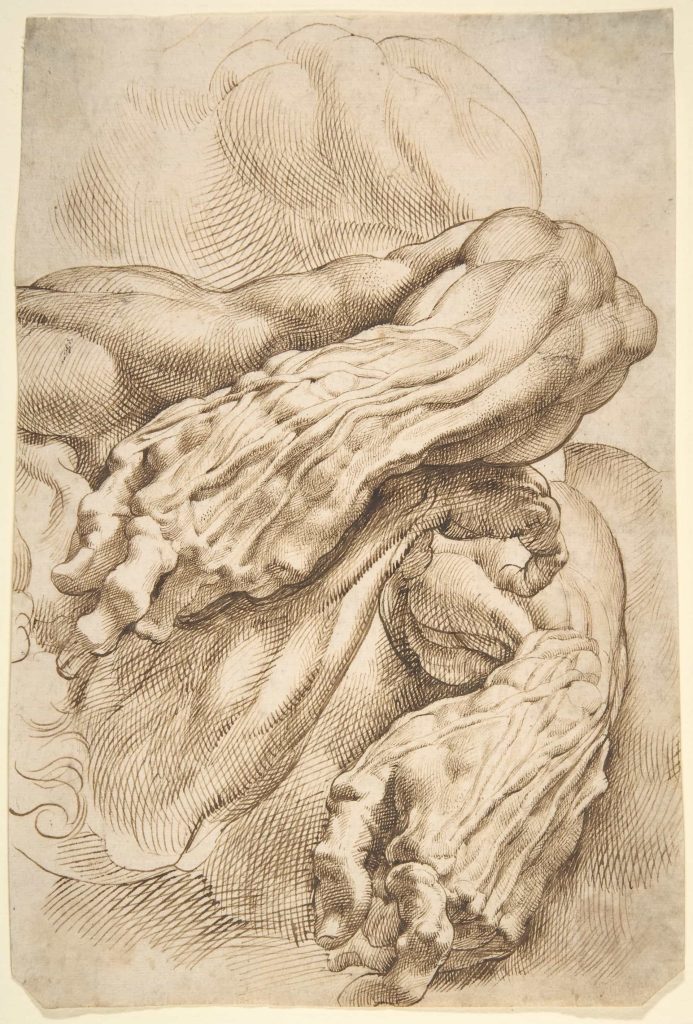
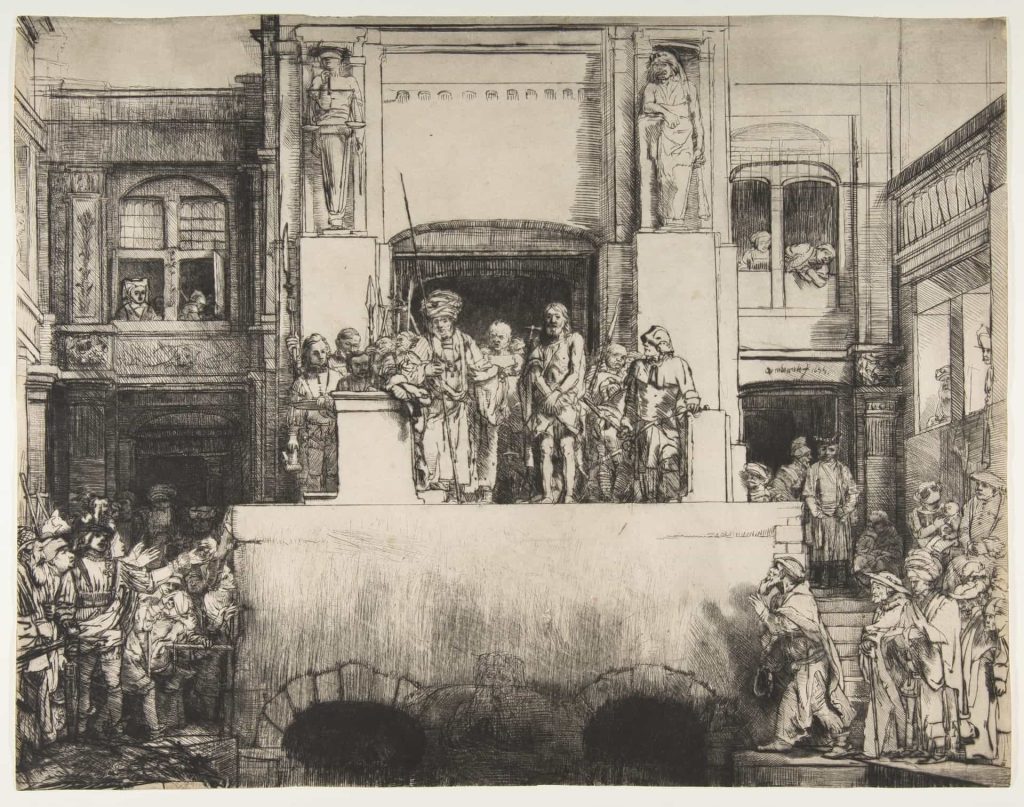
Hatching is made by drawing repeated lines in the same direction. The closer the lines are, the darker the area appears. It is often used to create tone, shadow and form.
Cross-hatching is similar, but the lines cross over one another. This creates deeper shadow and a wider range of tone.
These techniques are common in pencil, pen, ink and printmaking, but the same idea can appear in painting through repeated brush marks.
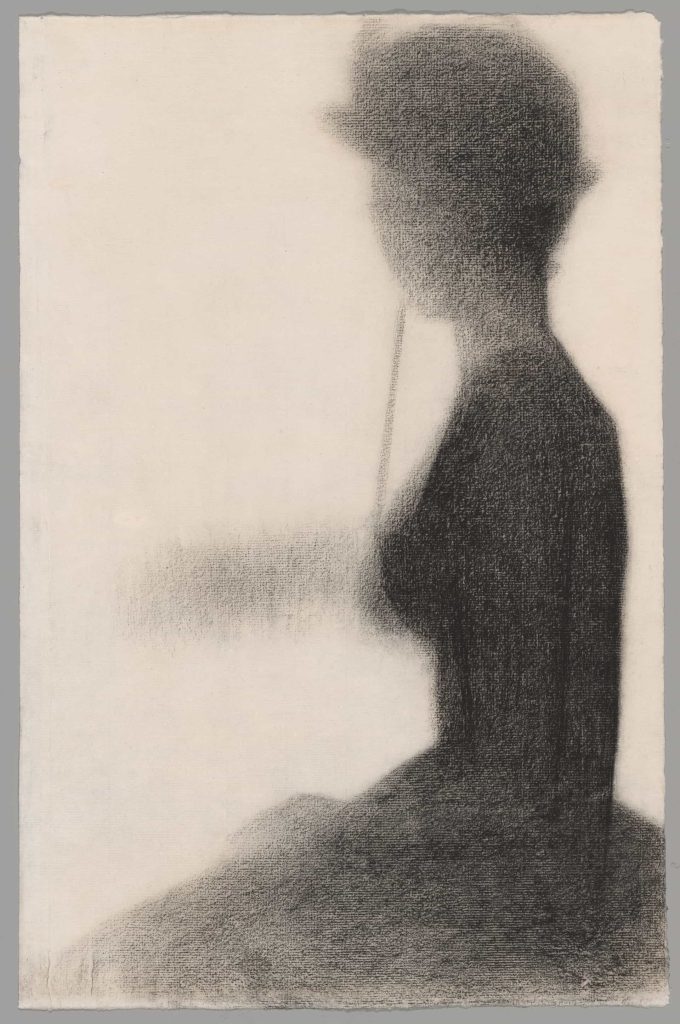
Stippling
Stippling uses dots instead of lines. By placing dots closer together or further apart, an artist can create areas of light and dark.
It can be slow and controlled, often creating a fine, textured surface. In painting, repeated small marks can also build colour and light, especially when seen from a distance.
Scribbling and Gestural Marks
Scribbling may sound careless, but it can be a serious form of mark making.
Loose, looping, layered marks can suggest movement, confusion, hair, foliage, cloth, shadow, anxiety, speed, or atmosphere. Scribbling can help an artist avoid stiffness because it keeps the hand moving.
The difference between random scribbling and expressive mark making is purpose. Even loose marks need a relationship to the image.
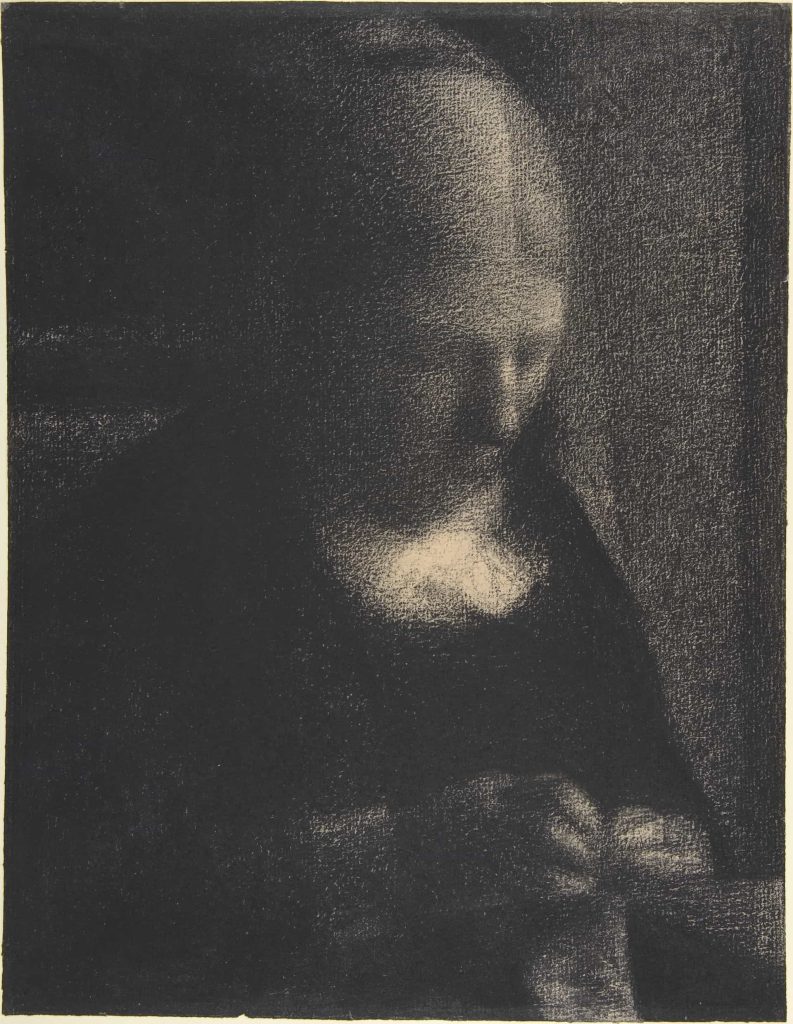
Smudging and Blending
Smudging is often used with charcoal, graphite, or pastel. It softens marks and creates smooth transitions between light and dark.
This can be useful for suggesting skin, shadow, mist, smoke, distance, or soft focus. It can also create a sense of memory or atmosphere.
The danger is over-blending. If every mark is smoothed away, the drawing can lose structure. Strong drawings often balance soft areas with sharper marks.
Erasing
Erasing is often thought of as correction, but it can also be a form of mark making.
In charcoal drawing, an eraser can pull light back out of darkness. It can create highlights, edges, texture and atmosphere. A kneaded eraser can lift tone gently. A harder eraser can cut a sharper mark through a dark area.
This is one of the most interesting parts of drawing. The artist is not only adding marks. They are also removing, adjusting and revealing.
Brushstrokes
In painting, the brushstroke is one of the main forms of mark making.
A brushstroke can be thin, thick, dry, loaded with paint, smooth, broken, visible, or almost hidden. It can describe the surface of an object, but it can also affect the whole mood of the painting.
A slow, calm brushstroke feels different from a quick, restless one. A visible brushstroke reminds us that a painting is not only an image. It is also a physical surface.
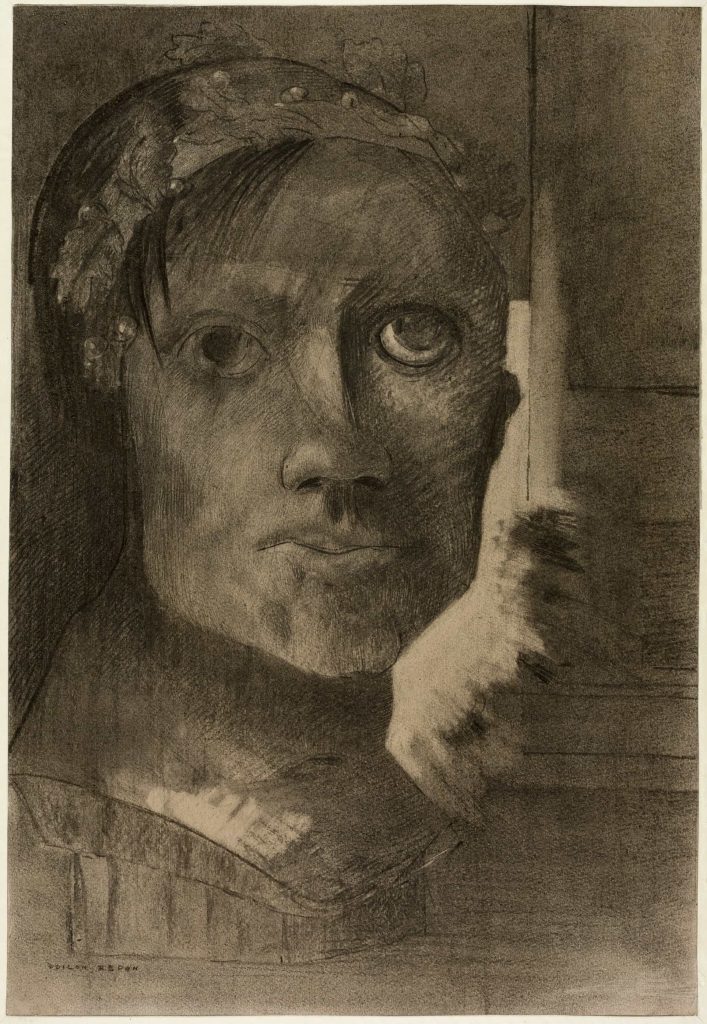
Mark Making and Tone
Tone refers to how light or dark something is. Mark making and tone are closely connected because the way a mark is made affects the value it creates.
A hard, dark mark can create a strong edge. A soft grey mark can suggest distance. A repeated set of marks can build shadow. A smudged area can soften a transition. A lifted mark can bring back light.
In charcoal, tone can be built by changing pressure, layering marks, using the side of the charcoal, blending, smudging, or lifting out with an eraser.
In paint, tone can be built through colour mixing, layering, glazing, wiping back, scraping, or changing the thickness of the paint.
Tone is not only technical. It affects mood. A drawing with deep blacks and strong contrast may feel dramatic or intense. A drawing made mostly from pale marks may feel quiet, distant, or delicate.
This is why mark making is central to how an artwork feels.
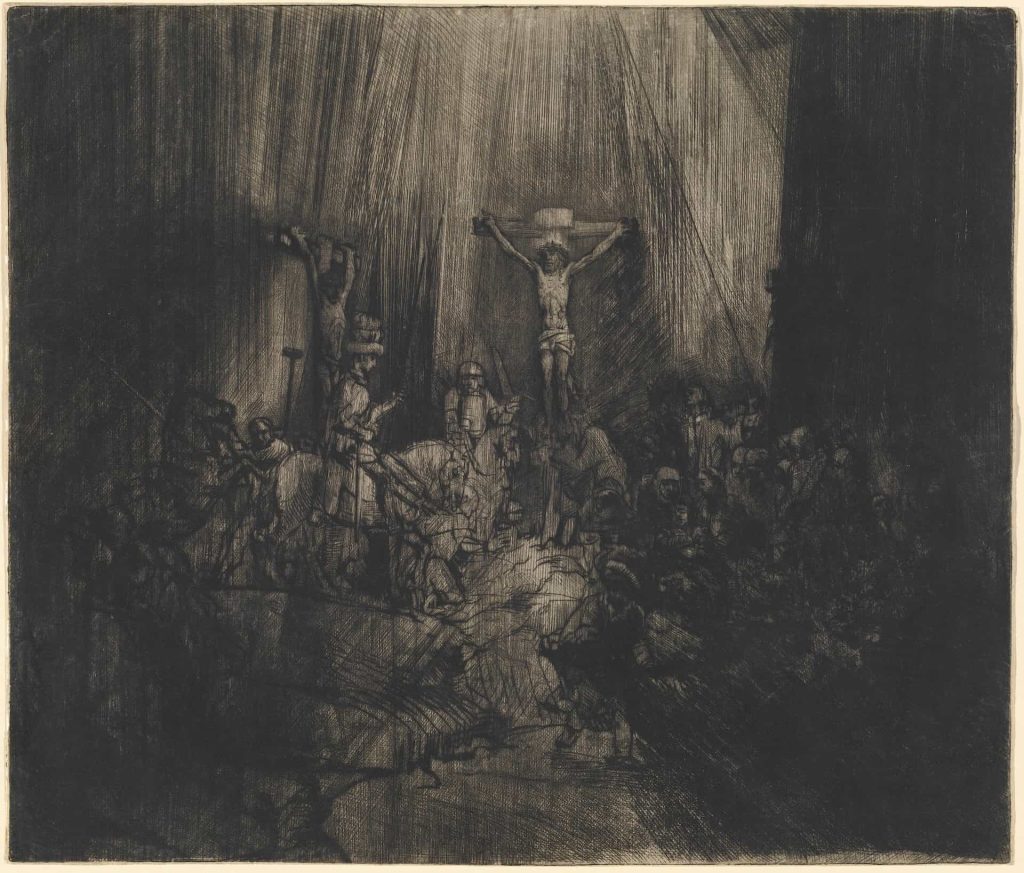
Mark Making in Charcoal Drawing
Charcoal is one of the best materials for exploring mark making because it responds clearly to pressure and movement.
With charcoal, an artist can make sharp lines, broad dark areas, soft shadows, powdery textures, smudged passages, erased highlights, broken edges, dense black marks and pale grey traces.
Charcoal does not hide the hand. It records pressure directly. It can be dragged, pressed, rubbed, lifted, blended, or broken. It allows the artist to move quickly between line and tone.
For portraiture and figurative drawing, charcoal can be especially powerful. A face does not have to be described with hard outlines. It can emerge from shadow, softened edges and areas of light.
This gives charcoal drawing a particular emotional quality. The image can seem to appear and disappear at the same time.
Mark Making in Oil Painting
Oil paint gives artists a different range of marks.
It can be thin and transparent, or thick and textured. It can be blended slowly, wiped away, dragged across canvas, layered over time, or left as a visible stroke.
In oil painting, mark making can help create skin, fabric, hair, reflections, light, movement, surface texture and emotional tension.
Oil paint also holds a history of change. A painting may contain marks that are partly covered, softened, scraped back, or adjusted. Even when earlier marks are no longer fully visible, they can still affect the final surface.
A painting with visible marks often asks the viewer to slow down. From a distance, the image may read as a figure, face, room, or landscape. Up close, it becomes a field of brushstrokes, edges, layers and decisions.
How to Look at Mark Making in an Artwork
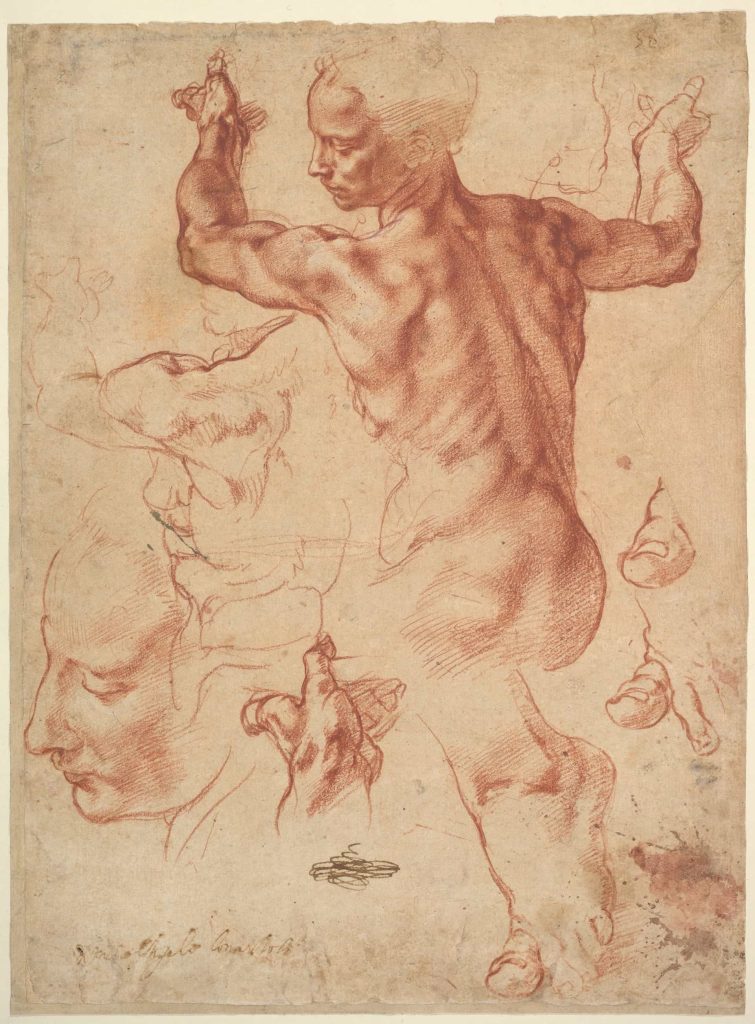
When looking at a drawing or painting, try not to focus only on the subject. Look at the surface.
Ask yourself where the marks are sharp, where they are soft, where the artist has pressed harder, and where they have held back. Notice whether the marks feel fast or slow, repeated or varied, blended or raw.
Look for areas that have been erased, scraped back, softened, or left unfinished. These choices often reveal how the artist worked through the image.
This way of looking can make an artwork feel more alive. A portrait is not only a face. It is also pressure, tone, edge, texture and rhythm. A landscape is not only a place. It is also movement, surface, atmosphere and touch.
Simple Mark Making Exercises
You do not need expensive materials to explore mark making. A pencil and paper are enough.
Make Ten Different Lines
Use one pencil and make ten lines. Change the pressure, speed and angle each time. Try to make marks that feel heavy, light, calm, sharp, soft, quick, slow, broken, confident and uncertain.
Draw Without Outlining
Choose a simple object and draw it using only tone. Do not draw a hard outline. Build the form with patches of light and dark.
Use Only Repeated Marks
Create a small drawing using only one repeated mark, such as dots, short lines, cross-hatching, loops, or dashes.
Draw With an Eraser
Cover part of a page with charcoal or graphite. Then use an eraser to draw light back into the surface.
This teaches you to think of erasing as an active mark, not just a correction.
Common Mistakes in Mark Making
One common mistake is using the same mark everywhere. If every line has the same pressure and every area has the same texture, the image can feel flat.
Another mistake is over-blending. Blending can be useful, especially in charcoal, but too much of it can remove the life of the drawing. Leaving some marks visible gives the work structure.
A third mistake is confusing mess with expression. Loose marks can be expressive, but they still need purpose. A drawing can be energetic without being careless.
It is also easy to become too careful. When every mark is made with fear, the drawing may become stiff. Sometimes the hand needs to move before the image is fully solved.
The aim is not perfection. The aim is attention.
Frequently Asked Questions
What is mark making in simple terms?
Mark making is the process of creating visible marks on a surface. These marks might be lines, dots, scratches, smudges, brushstrokes, patterns, or textures.
What are examples of mark making?
Examples of mark making include hatching, cross-hatching, stippling, scribbling, smudging, shading, scratching, brushstrokes, palette knife marks and erased highlights.
Why do artists use mark making?
Artists use mark making to create form, tone, texture, rhythm, movement and expression. Marks can describe what something looks like, but they can also suggest mood and atmosphere.
Is mark making only used in drawing?
No. Mark making is used in drawing, painting, printmaking, mixed media, textiles and many other forms of art.
Can erasing be mark making?
Yes. Erasing can be a form of mark making. In charcoal and graphite drawing, an eraser can lift out light, sharpen an edge, soften an area, or create highlights.
Mark making in art is much more than putting lines on paper. It is the visible trace of attention.
It is how artists describe form, build tone, create texture and give feeling to an image. It is present in the smallest pencil line, the softest charcoal smudge, the thickest brushstroke and the sharpest scraped mark.
When you begin to notice mark making, you begin to see art differently. You stop looking only at the subject and start noticing the decisions held in the surface.
That is where much of the life of a drawing or painting can be found.
